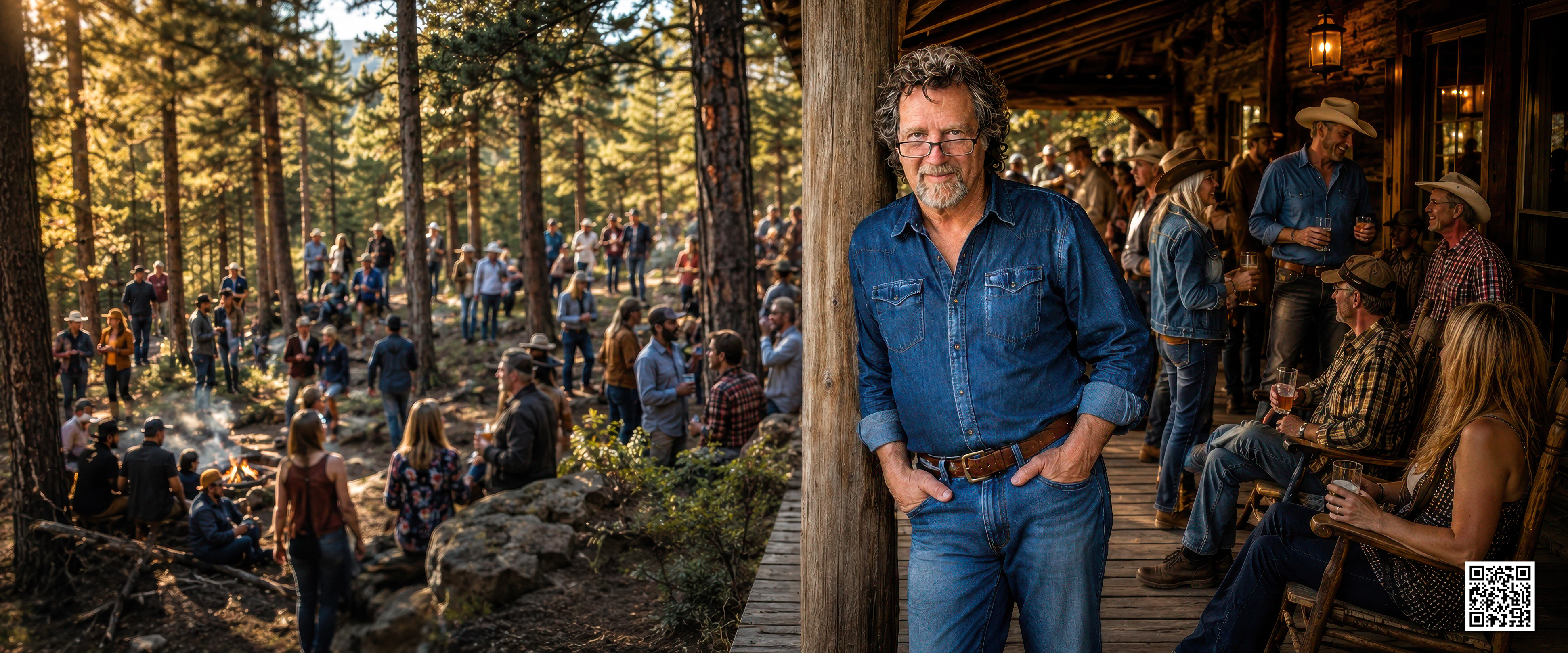
"It's all about places, faces and feelings… Now, 'TTFP': Take the … 'Fffff—-fantastic' Picture!" (Friend and Photographic Mentor, Monte Zucker 1929-2007)
I like the moment when “I wouldn’t do that” becomes “Well, let me have a look.”
A friend has an idea. Someone holds out a hand. There’s something I haven’t quite finished, and I want to see what happens next. My good judgment remains available, although I don’t always consult it.
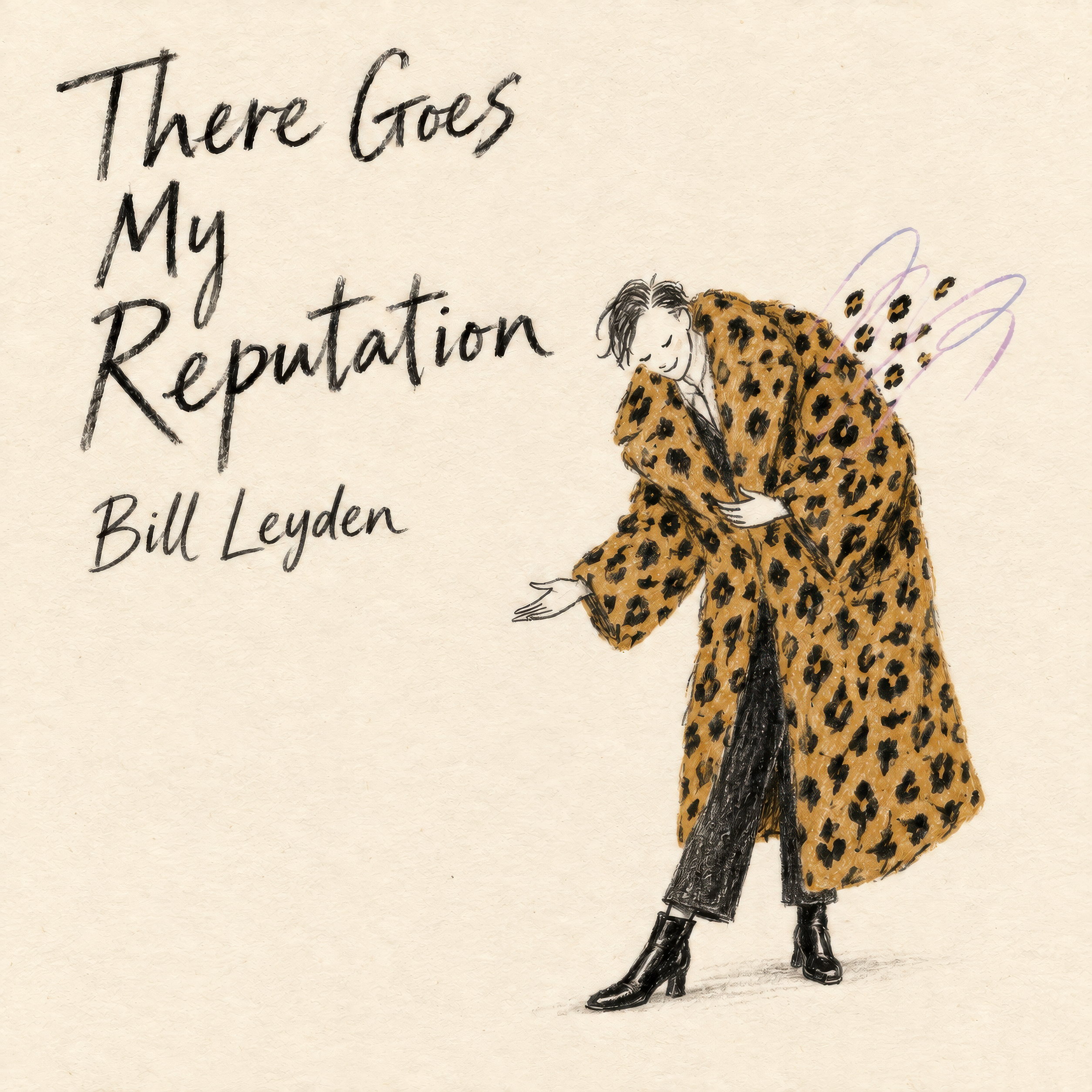
My new album, There Goes My Reputation, comes from my affection for people who still have something in mind. A little hope, a private ambition, a fondness for someone who knows exactly how to make them laugh.
I’m drawn to how much can remain undiscovered between people, and how much pleasure there can be in knowing someone well. Hearing the familiar story again. Catching the look across the room. Being glad it’s them.
There are eight songs here, with a few questionable decisions and some very good company.
As for my reputation, I thought it was doing reasonably well.
The album is available now on Bandcamp and coming soon to all streaming services. I’d love for you to spend a little time with it.
We can know someone for years and still be surprised by what they remember. Especially when we were there, too. Aging could be a factor. Ever remember an acquaintance in high school clearly and forget who you met last week?
We tell our stories with confidence, until an old friend starts smiling halfway through. We promise we’re listening, then hear something that reminds us of a story of our own. There’s affection in these exchanges, and sometimes a small disappointment we don’t notice until the other person stops talking.
I’m interested in that distance between people—and the unexpected ways it closes.
A familiar face can become someone we wish we’d known sooner. A person we barely knew can remain with us for a lifetime. We find ourselves imagining ordinary mornings together, or wondering what another choice might have asked of us. Even a life we’re grateful for can leave us curious about the one we didn’t live.
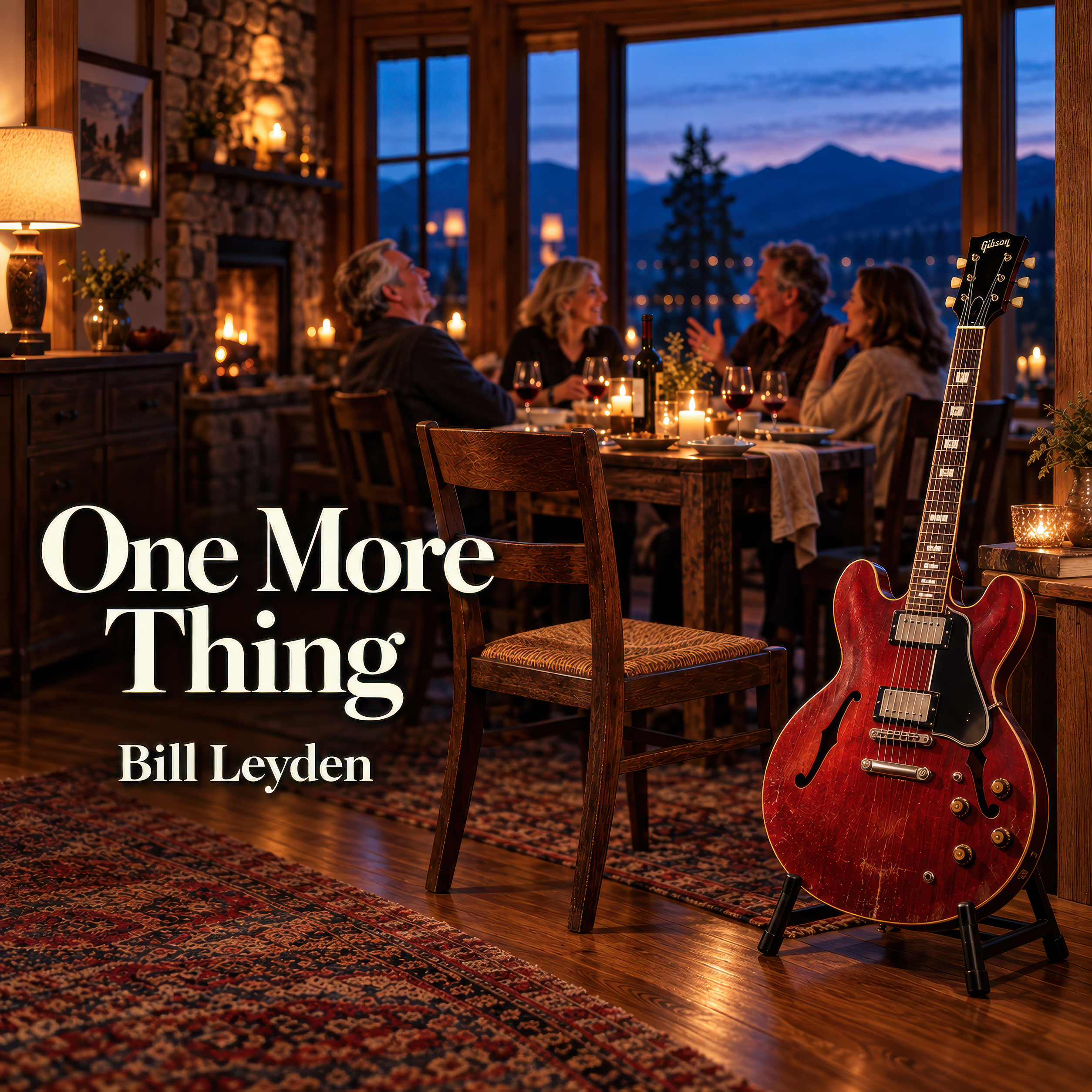
One More Thing grew from those feelings, and from the pleasure people continue to bring us.
Someone comes along, and suddenly we notice the books piled on the other chair. We consider a shirt we haven’t worn in a while. Nothing has been promised. Still, there’s a little more care in what we do, and we catch ourselves enjoying the preparations.
That interests me as much as regret does: our willingness to make room again.
We carry a great deal into each other’s company. Some of it gets told badly. Some of it slips out while we’re talking about something else. And sometimes we’re laughing too hard at a familiar story to get to the end.
There are people we want to hear from. Things we meant to ask them. We can be certain we know the whole story and still hope they’ll tell us more.
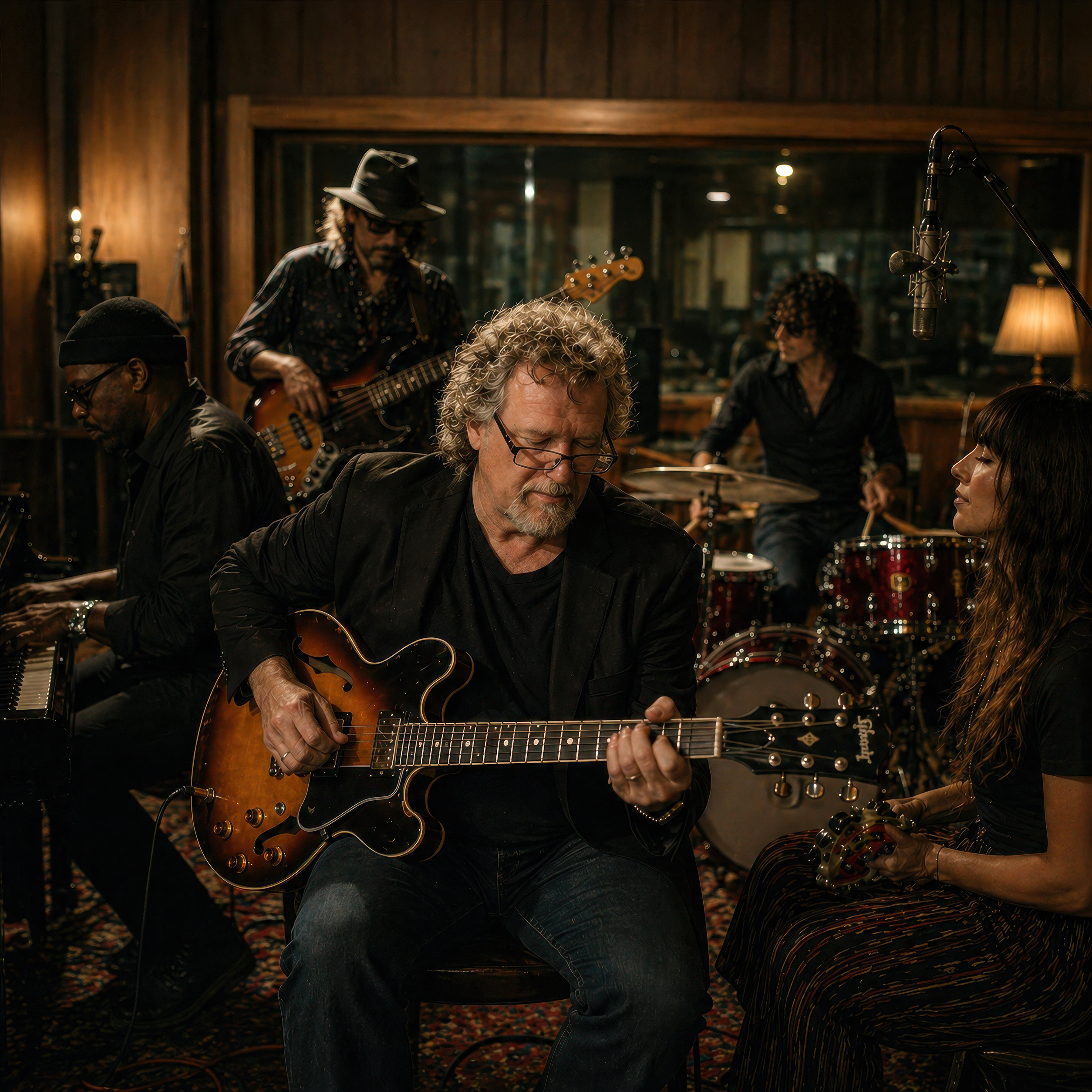
I went guitar-forward on most of the tracks – a throwback to Art Rock. There is an occasional grand piano and the softness of a string ensemble. But mostly, I long for that solo guitar, the legendary Gibson ES-335 to lift out of the rhythm to tell its tale. I hope you enjoy it!
There’s a line somewhere between what makes sense and what almost makes sense.
I’ve become increasingly interested in that line.
Not crossing it for the sake of being strange. Not abandoning melody, musicianship, or the pleasure of a song that simply feels good coming out of the speakers. I still want all of that. But lately I’ve been curious about how far a song can wander from the expected and still bring you along.
Ambergris is a further flirt with that line.
I’ve spent a long time building a musical library, and for much of that time songs behaved more or less as songs are expected to behave. They had stories. They had destinations. People arrived somewhere by the end.
I’m less certain now that they need to.
Life rarely presents itself in a clean narrative. We remember a face but forget the name. We remember exactly what someone said but have no idea why it mattered. A laugh survives for decades. An expensive evening disappears. Something overheard at the next table becomes more interesting than the conversation we were having ourselves.
Memory seems to have its own editorial department, and apparently nobody is supervising it.
That interests me.
So does the distance between what we observe and what we think we know. We spend an extraordinary amount of our lives watching other people, interpreting expressions, filling in missing information and constructing explanations from very little evidence. Sometimes we’re right. Sometimes we’re spectacularly wrong. Most of the time we never find out.
There’s humor in that, but also something strangely human.
The recent expansion of my musical library has given me permission to leave more of those spaces open. A lyric can notice something without explaining it. A guitar can answer a question the words never quite asked. Harmonies can become a little uncomfortable. Silence can be useful. A thought can wander into the room, stay for eleven seconds and leave without showing identification.
And a song can end before the listener has been told what to think about it.
That may be the line I’m flirting with.
I don’t want to live permanently on the other side of it. The line is interesting precisely because you can still see it. Melody matters. Musicianship matters. Emotion matters. So does the simple pleasure of a great guitar playing something you want to hear again.
But every now and then, I like leaning over that line far enough to wonder whether I’m still writing the kind of music I thought I wrote.
I’ve always been interested in the distance between what we see and what we think we know.
We meet somebody, notice a few things, hear half a story, and pretty soon we’ve got them figured out. Sometimes we’re right. Sometimes another detail comes along and the whole explanation falls apart.
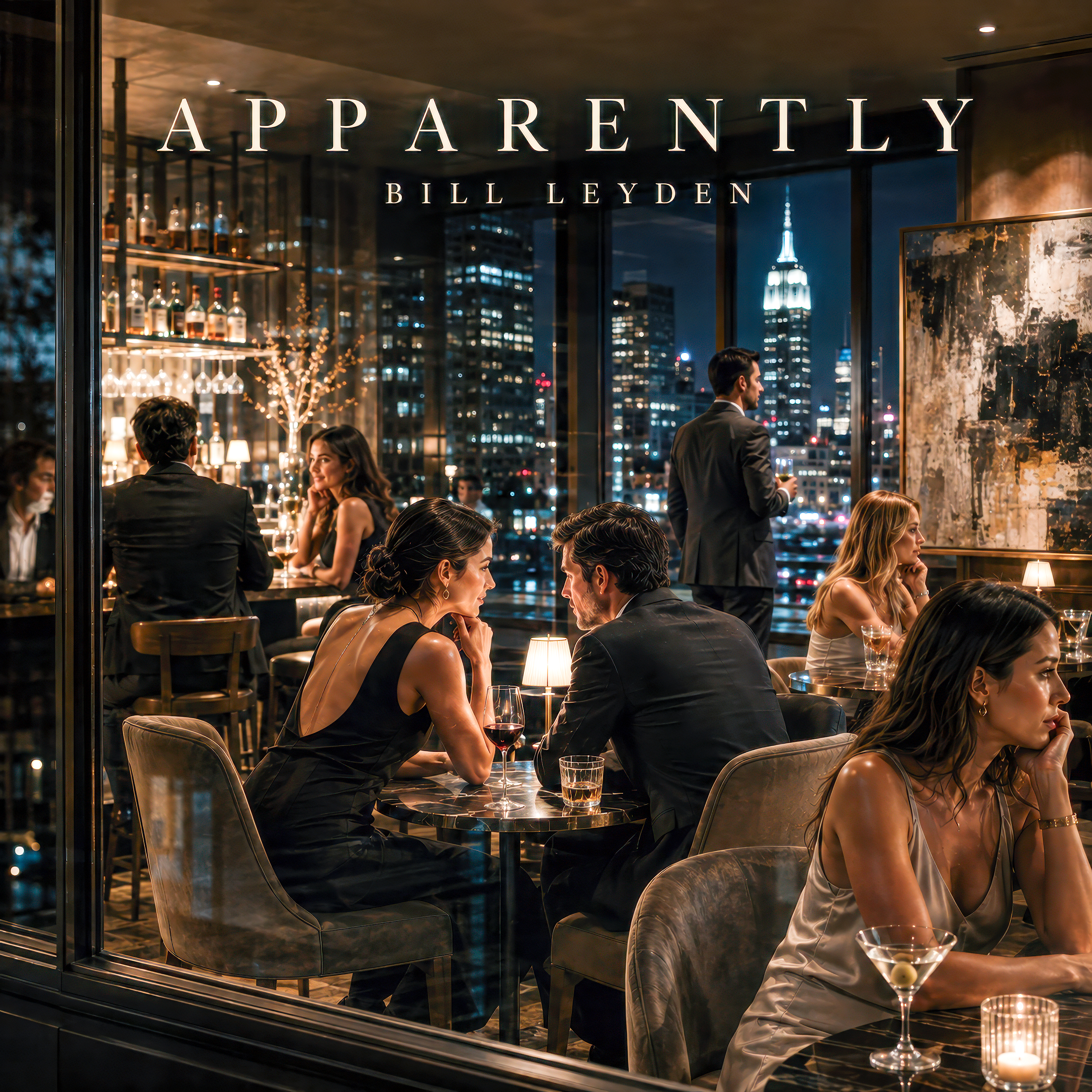
That became the territory for Apparently.
The songs move through attraction, friendship, vanity, intelligence, kindness, anonymity, love and loss without asking anyone to be the villain. I was more interested in the little contradictions that make people difficult to explain—and considerably more interesting.
Musically, the record ranges pretty widely: cinematic art rock with an indie feel, guitar-forward arrangements, sophisticated rock, touches of soul and country, unusual harmonies, and plenty of room for the musicians to breathe. There are moments that make me laugh and others that became much more emotional than I expected.
It also turned out to be very good road music.
The kind of record I like when the traffic thins out, there’s some distance ahead, and I can actually listen rather than merely have music playing.
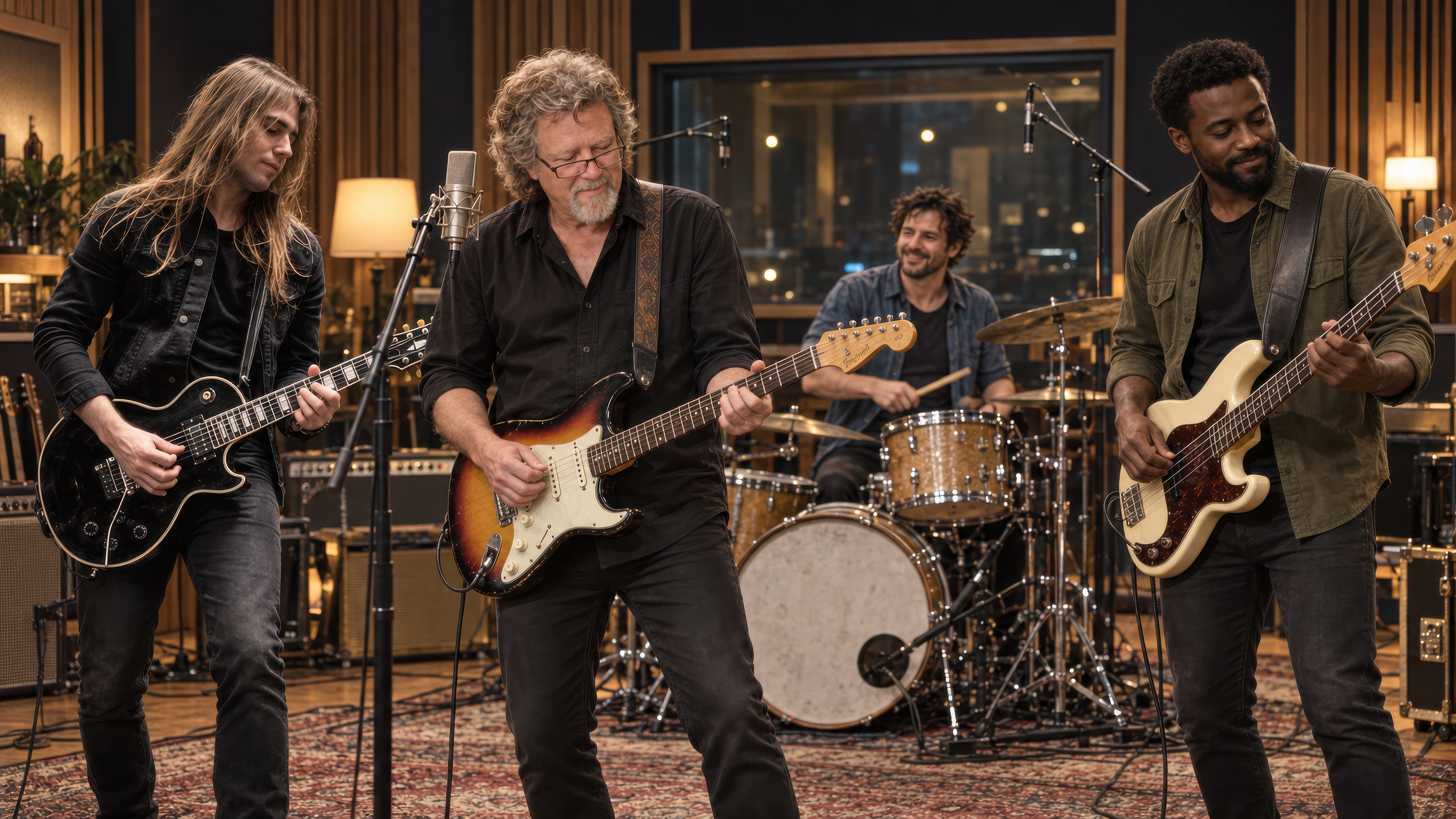
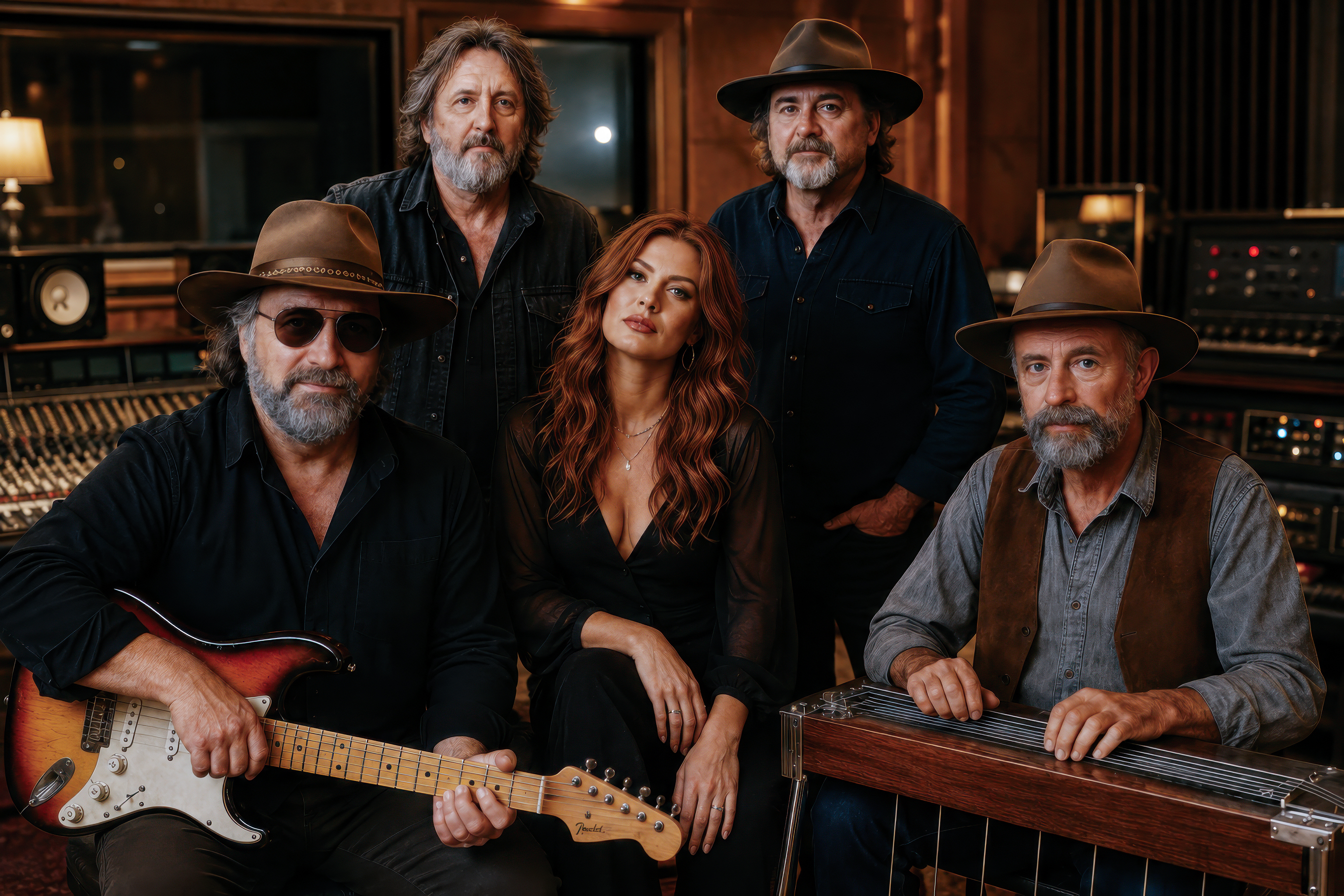
[Insert band photograph]
Apparently is available now on all streaming services.
Every once in a while, it’s good to step over a few lines.
That’s what I decided to do with Really.
I wanted to push beyond some of my usual songwriting habits—to let conversations become lyrics, leave more space between things, allow the music to take some unexpected turns, and trust that a song doesn’t always have to explain itself.
It turned out to be tremendous fun.
Really is probably the most avant-garde album I’ve made, but I don’t think that makes it particularly difficult music. There are still guitars, melodies, choruses and harmonies. There are also unusual modes, chords that sometimes hang in the air, complex vocal harmonies, sustained guitars and moments when silence gets to play an instrument too.
And there are people.
Lots of them.
People who are certain about things. People who remember things differently. Someone who can commandeer almost any dinner-table conversation with a story of her own. A couple eating ice cream while watching something questionable on television, with the dog quietly choosing sides.
There’s a Tiffany lamp bought on a trip to New York.
There’s an old photograph with a man in it nobody recognizes, even though his arm is around somebody and he appears to have been having a perfectly good time.
They decide his name might be David.
Why?
Looks like David’s arm.
That’s about as much evidence as anyone has.
I think that’s where I found the personality of this album.
The songs aren’t really trying to deliver answers. They’re interested in those peculiar little moments when people reveal themselves without realizing they’re doing it—the things we say, the things we remember, the things we get completely wrong, and the shorthand that develops between people who have known each other a long time.
By the time I reached the title track, that shorthand had become the song itself.
It begins with two people trying to identify a glass:
Which glass?
The one on the left.
This one?
No, your other left.
The vessel with the pestle?
That’s the one.
Get it?
Got it.
Good.
Eventually all that playful certainty and uncertainty comes down to one much simpler exchange:
You happy?
Yeah.
You sure?
Yeah.
Really?
Really.
That felt like exactly the right place to end the album.
Making Really took me outside my comfort zone, but in a way I thoroughly enjoyed. It reminded me that experimentation doesn’t require abandoning the things you love about making music. Sometimes it just means giving yourself permission to approach them from a different direction.
Eight songs. A few peculiar people. Some questionable memories. One unidentified arm.
Every August, usually right in the middle of the summer heat, I start thinking about winter.
It happens almost every year.
Maybe it’s because winter still feels far enough away in August that you can remember the best parts without having to scrape ice off anything. Or maybe I’m simply looking forward to that first unmistakable change in the air—the moment you realize another season is on its way.
I love what happens after that.
The evenings come earlier. Lights begin appearing around town. Windows glow against the cold. People who normally take the quickest way home sometimes find a reason to take the long way.
And familiar places become different.
There’s something about coming into a warm house when it’s cold outside. Something about the quiet after friends and family have gone home. Something about looking out a window late at night when there’s snow on the ground and wondering why the world seems so much quieter than it did a few hours earlier.
I’ve noticed that the holidays give us permission to feel things we might otherwise consider a little sentimental.
We remember people.
We miss people.
We gather.
We go home.
And maybe, somewhere underneath all of that, we allow ourselves to wonder again.
I like that part best.
The possibility that an ordinary evening might hold something extraordinary. That lights along a familiar street can still make us slow down. That despite everything we’ve learned and everything we think we know, there might still be a little mystery left in the world.
Those are the feelings that found their way into my new album, Love the Season.
Maybe that’s why I start looking forward to this every August. Winter is still months away, but for a little while I get to visit it early.
Tell somebody they probably can’t have something—or perhaps it’s intended for someone a little more discerning—and watch how quickly “I don’t need it” becomes “How much?”
That little piece of human nature became one of the threads running through my new album, Only for a Select Few.
But somewhere along the way, the idea got bigger.
These songs are about the things we buy, the things we believe, the impressions we maintain, and the wonderfully questionable decisions we make while trying to convince the world—and occasionally ourselves—that we know exactly what we’re doing.
There’s pride here. Romance. Bad judgment. A little swagger. A working band that keeps showing up even when somebody in the audience starts throwing beer bottles. There’s even a man who walks into a store wanting absolutely nothing and leaves with two crocodile attaché cases.
He rides home on a bicycle.
It seemed like a good idea at the time.
Maybe We’re All Making It Up a Little
What interests me about these characters isn’t that they’re foolish.
It’s that they’re recognizable.
The person who appears completely self-assured may be improvising. The person everybody wants may wonder whether anybody actually knows her. The fellow who thinks he’s immune to a sales pitch may be the easiest mark in the room.
And sometimes the person sitting at the head of the table—the one everybody expects to have an answer—has simply lived long enough to get a few more things wrong.
That thought eventually became the album closer, “If They Only Knew.”
It also changed the way I thought about the album’s title.
We spend a surprising amount of our lives imagining that somewhere out there are people who have been let in on something the rest of us missed: the masters, the insiders, the discerning few.
Maybe there are.
Then again, maybe they’re looking around for the select few, too.
Listen to Only for a Select Few
The album moves through Americana, country-pop and alt-country, with conversational storytelling, guitars, pedal steel, close country harmonies, humor, and enough rhythm to keep all this introspection from becoming too respectable.
Mostly, though, it’s about people.
People bluffing. People wanting. People falling for things. People learning. People laughing at themselves.
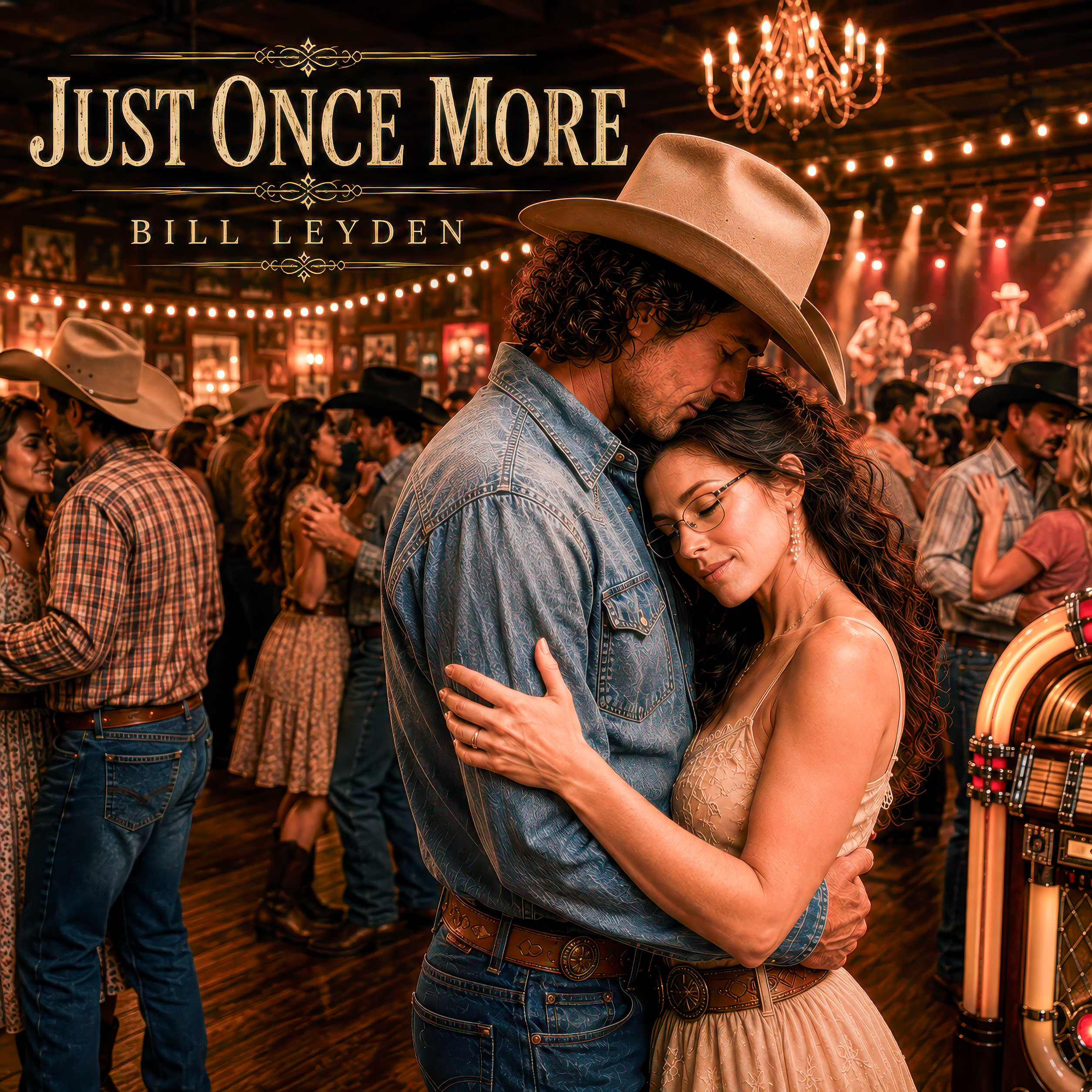
That question quietly became the foundation of Just Once More.
Inspired by the warm neon glow of 1970s honky-tonks, this collection of eight story songs follows ordinary people through slow dances, last calls, jukeboxes, whiskey, premium cigars, and those unexpected moments that can change a life forever.
This isn’t a nostalgia album. It’s an Americana record that borrows the timeless sound of classic country torch music—pedal steel, Telecaster, close harmonies, and dancehall rhythms—to tell stories that still feel true today.
As the songs came together, I realized they all belonged to the same long evening. Different people. Different stories. The same dance hall. One smile, one slow song, one wrong decision, one second chance… all unfolding beneath the same neon lights.
Along the way you’ll meet a man who lingers a little too long on The Wrong Side of Midnight, another who sees someone he can’t forget in Smoke Rings Around Her Name, and finally a familiar face Where the Jukebox Knows Me, reminding us that hope sometimes arrives when we least expect it.
The title Just Once More became more than the name of the album. It became its heartbeat.
Just one more dance.
Just one more song.
Just one more chance.
If you’ve ever loved classic country, Americana, or story-driven singer-songwriter music, I hope you’ll pour yourself something good, settle in, and listen from beginning to end. Like an evening in an old dance hall, each song naturally leads to the next until the final track quietly leaves the door open for another story.
I’d love to hear which song speaks to you the most.
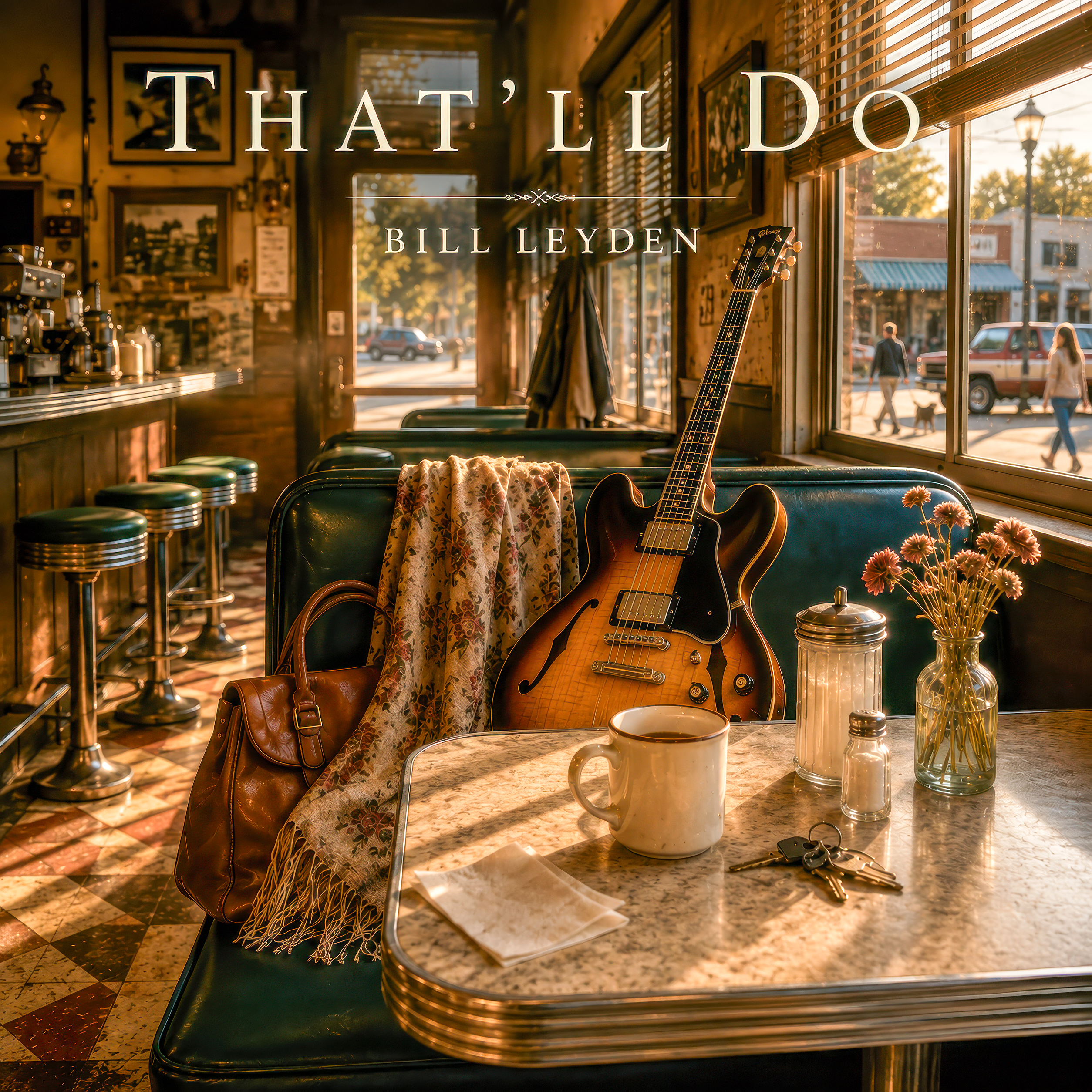
Over the past several months, That’ll Do slowly became something I hadn’t planned. It started as a collection of songs about ordinary moments, but somewhere along the way those moments began talking to one another.
A grocery store aisle.
Three green lights in a row.
The same coffee cup every morning.
A nickname between two people who know each other well enough to laugh without explaining.
A walk back through a hometown that no longer looks the way it did—and somehow feels exactly the way it should.
Musically, this is probably my most guitar-forward record yet. It leans into melodic roots rock with Americana storytelling, weeping pedal steel, conversational guitars, and songs that trust the listener to discover their meaning instead of announcing it.
I found myself writing less about lessons and more about recognition. Not everything needs fixing. Not every misunderstanding needs correcting. Sometimes the best thing we can do is notice what’s already there.
The title That’ll Do isn’t about settling.
It’s about realizing that an ordinary day, shared with ordinary people who are doing their best, can be more than enough.
I hope these songs feel like someone saved you a booth by the window.
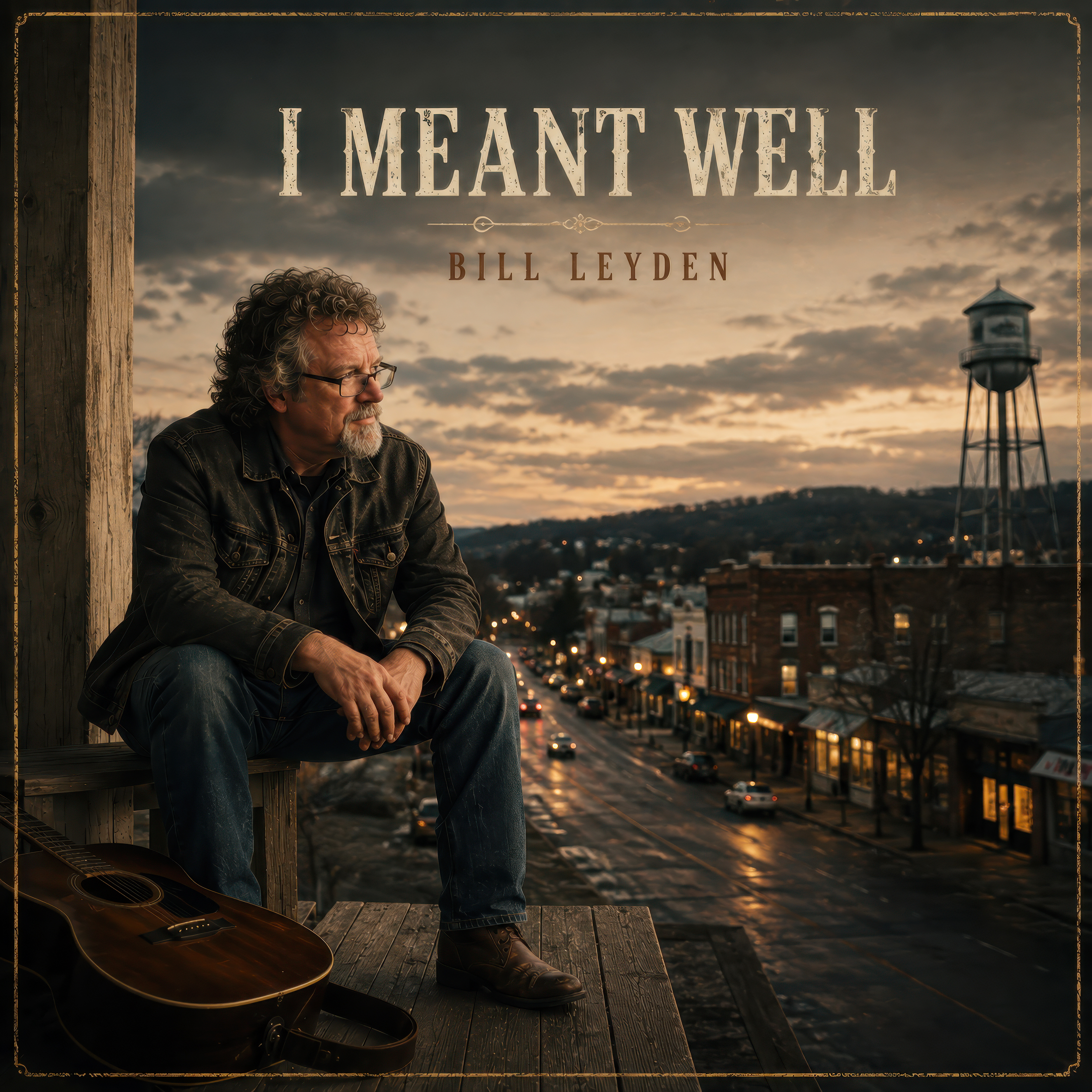
That’s the idea behind I Meant Well, the new Americana and alt-country album from Bill Leyden.
Built around nine vignette-driven songs, the album explores the moments that rarely make headlines but somehow stay with us for years: a glance held a little too long, a lesson learned too late, a local legend everyone knows, a kindness nobody notices, and the quiet realization that good intentions alone don’t always guarantee good outcomes.
Rather than telling one continuous story, I Meant Well unfolds as a series of interconnected moments. The songs take place in dance halls, roadside bars, small-town gathering places, and the private spaces people carry around inside themselves. Throughout the album, a single narrator observes the humor, irony, awkwardness, and humanity that define ordinary life.
Musically, the record blends Americana, alternative country, roots music, and storytelling traditions into a guitar-forward sound built around conversational vocals, expressive Stratocaster leads, pedal steel textures, and close country harmonies. The result is an album that feels equally at home with classic country storytelling and modern Americana sensibilities.
At its heart, I Meant Well is not about perfection. It’s about accountability, humility, forgiveness, and the belief that even imperfect people continue reaching toward something better.
In a world that often rewards certainty, these songs are more interested in questions than answers.
Sometimes that’s enough.
The Longing for Good
The people in these songs are rarely heroes or villains. They hesitate, misread situations, hold back, speak too late, stay too long, leave too soon, and occasionally stumble into wisdom without realizing it. Like most of us, they are trying to make sense of themselves while living in the company of other imperfect people doing the same.
The album isn’t interested in certainty. It is interested in grace. In the possibility that good intentions matter, even when they are incomplete. In the idea that a meaningful life is built less from grand victories than from small acts of restraint, kindness, accountability, humor, and perseverance.
At its core, I Meant Well is a reflection on the longing for good—the quiet belief that despite our mistakes, misunderstandings, and limitations, there is still something worth reaching for, something worth becoming, and something worth forgiving.