"It's all about places, faces and feelings… Now, 'TTFP': Take the … 'Fffff—-fantastic' Picture!" (Friend and Photographic Mentor, Monte Zucker 1929-2007)
What if the best part of your favorite memory happened while you were looking the other way?
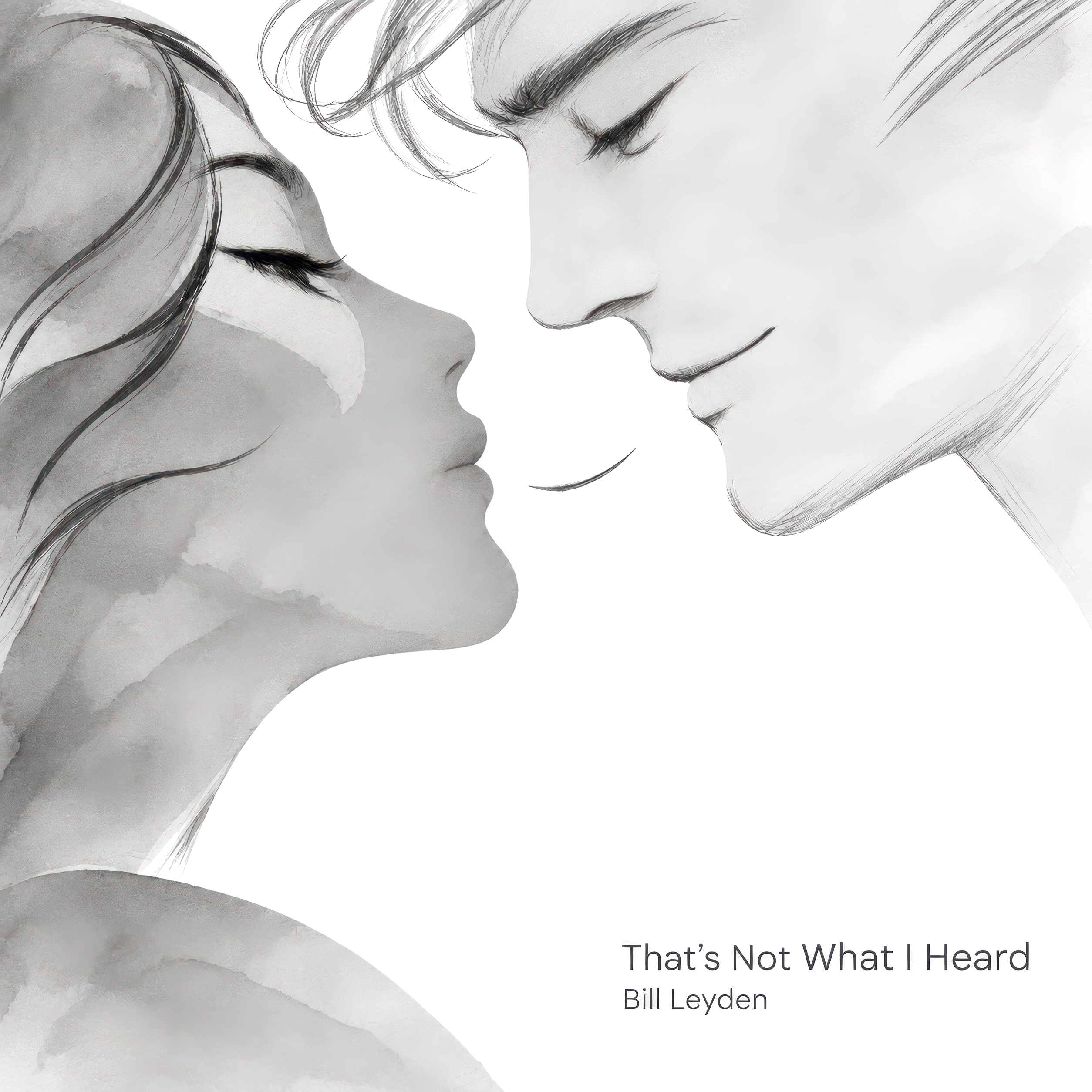
Every couple has a story they could tell in their sleep. Friends ask how it happened, one of you starts in, and the other smiles at the usual places. Then one evening, after all these years, the quiet one says, “Oh, I saw you long before that.” Suddenly there are ten minutes of your own life you’d give anything to hear about.
Bill Leyden’s That’s Not What I Heard lives in those ten minutes. These are songs for anyone who’s ever been wide awake at two in the morning over a word the other person slept through. There’s an ache in knowing someone so well you can hear their answer before you ask. There’s some pleasure, too, when they surprise you.
Fingerpicked guitars and a conversational voice draw you close. Then the chorus opens into harmonies, and for a few bars you can hear how well two different versions of the same feeling fit together.
Put it on for the drive home. If you’ve got company, ask who noticed whom first.
Think of someone who was glad to see you. Can you still hear the way they said your name? There might be a little lift on the last syllable that you could still pick out in a room full of people. Back then, it was just hello.
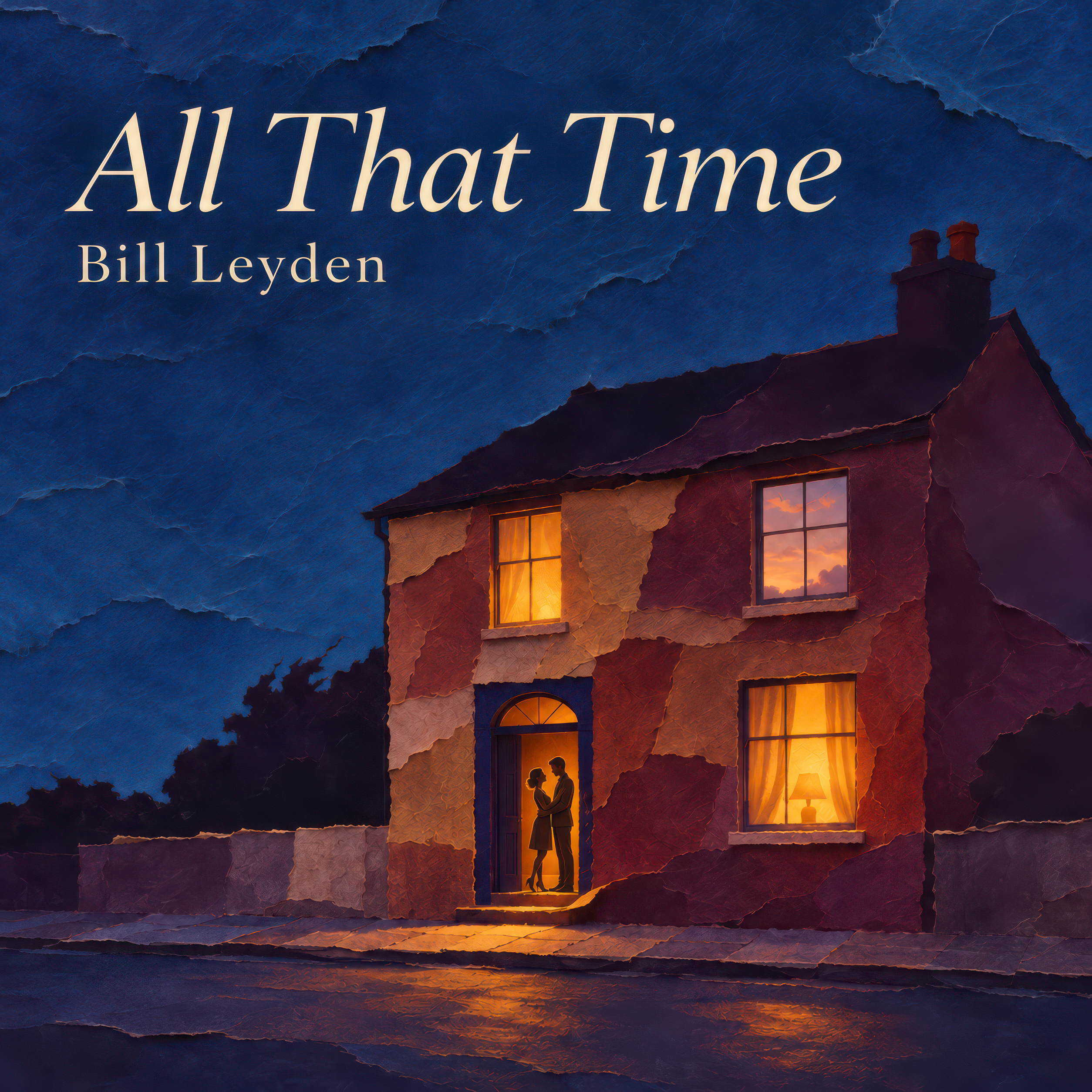
That feeling runs through All That Time, my new eight-song album. I’m interested in how long it can take to recognize affection, especially when it comes in a form that’s easy to take for granted. Somebody counts you in for dinner. You’re relieved when the plans fall through. An evening to yourself sounds good, and so does knowing there was a place for you.
The music moves between roots-informed pop-rock and atmospheric art-pop. I like a voice close enough to hear a thought change halfway through a line. On the title track, the singer spends much of the song wondering what he was waiting for. It takes him until the last chorus to give himself an honest answer.
“I thought the best was still to come / Mmmm, some of it was / Some of it was in her voice / All that time.”
Somebody remembers the part of your story you were hoping to leave out. Somebody keeps asking questions just to hear your voice. Somebody has their coat on but hasn’t quite managed to leave.
While We’re Here, an eight-song album by Bill Leyden, finds humor, longing, and pleasure in those moments. Warm, guitar-forward roots folk/rock meets a supple country-funk groove, with conversational vocals and close harmonies carrying stories about friendship, attraction, family, and making room for one another.
The album begins with the social comedy of “You Know Everybody” and the affectionate absurdity of “Never Enough Flannel.” There’s room for a little vanity here—and apparently room for another closet.
Then the feelings become harder to disguise. “I Miss Being Missed” admits the longing beneath a well-practiced claim that everything is fine. “I Like Your Nerve” enjoys the unsettling pleasure of being wanted by someone who makes it obvious.
In “You Haven’t Changed a Bit,” an old friend remembers a version of you that you may have lost sight of. “Just Ask”finds tenderness in wanting someone’s company even when they’re tired and have nothing left to offer but themselves.
The penultimate song, “You Don’t Have to Go Yet,” sits with a parent and grown child as a visit stretches beyond its intended goodbye. Pride in a child’s independence lives alongside the ache of hearing about so much of their life after it happens.
By the closing title track, curiosity is getting the better of caution. There’s something unfamiliar to taste, a bottle that’s been saved long enough, and something he’s wanted to try for years. He’d like some company. They can be beginners together.
While We’re Here leaves a chair open at the table.
A good line can get you into trouble. Sometimes that’s the attraction.
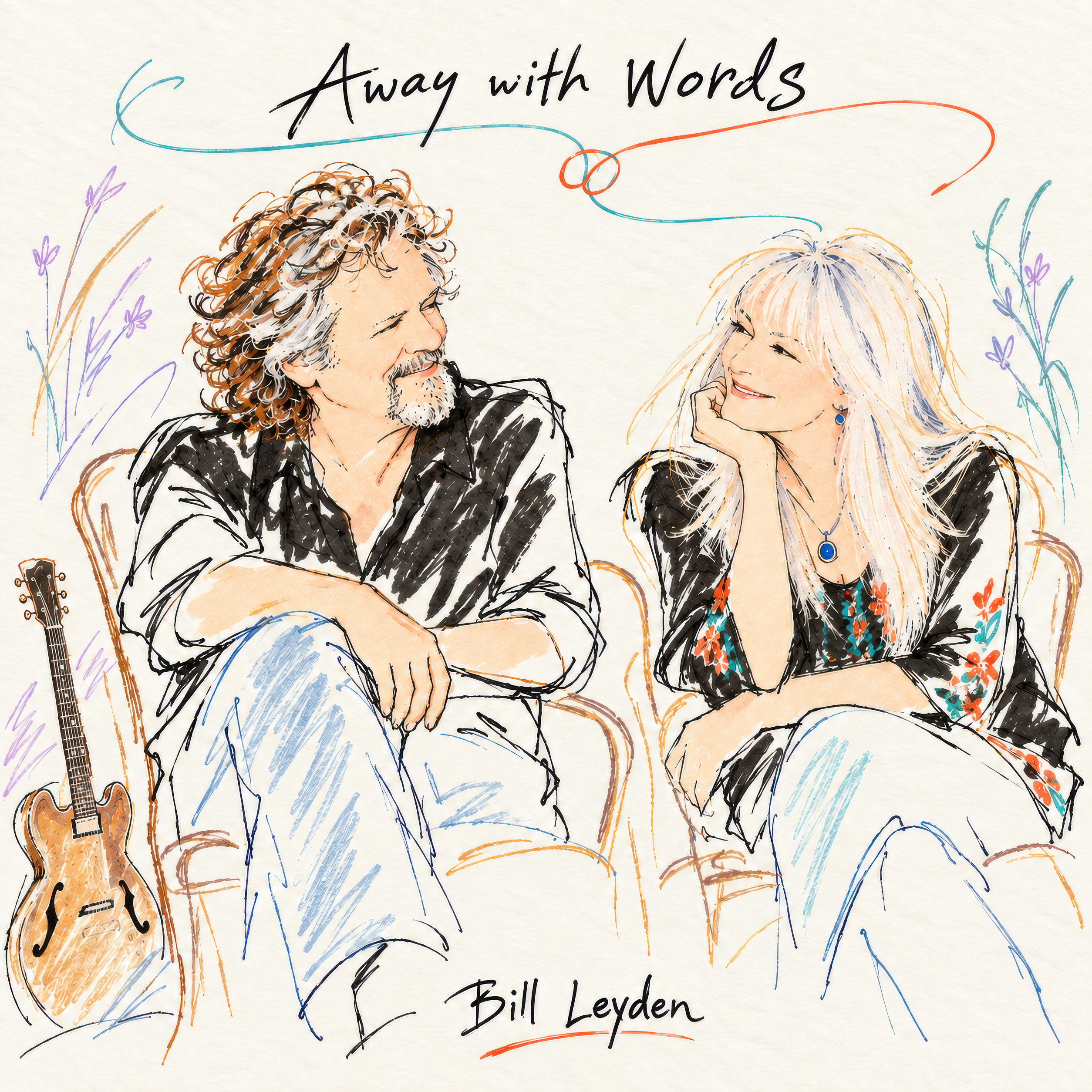
My new album, Away with Words, lives in those conversations where we have a little more at stake than we’re letting on. We’re trying to impress somebody. Trying to be understood. Trying to say “you were right” without spending another five years getting to it.
These eight songs follow people who can still surprise themselves—and each other. A little charm unsettles a comfortable life. Someone hears a familiar laugh and turns before remembering why he shouldn’t. A woman gets dressed for an evening out, and the man beside her remembers that being worth the trouble requires a little trouble of his own.
I’m interested in that space between knowing someone well and assuming we know everything. There’s still room for a misread signal, an overdue admission, or a look across the table that makes finishing a sentence seem unnecessary.
The music has an appetite of its own: guitar-forward alternative/art rock, winding bass lines, close harmonies, and grooves that leave room for a little mischief. Sometimes the guitar picks up where the singer runs out of words. By “Now You’re Talking,” a deep shuffle and a searing lead have helped turn a discussion about dinner into a question of breakfast on the way home.
There’s hurt here, and affection that has survived a few dents. There’s also the pleasure of discovering that someone can still get to you.
Away with Words is available on all major streaming services. Bandcamp is a great place to settle in and listen:
There’s a line somewhere between what makes sense and what almost makes sense.
I’ve become increasingly interested in that line.
Not crossing it for the sake of being strange. Not abandoning melody, musicianship, or the pleasure of a song that simply feels good coming out of the speakers. I still want all of that. But lately I’ve been curious about how far a song can wander from the expected and still bring you along.
Ambergris is a further flirt with that line.
I’ve spent a long time building a musical library, and for much of that time songs behaved more or less as songs are expected to behave. They had stories. They had destinations. People arrived somewhere by the end.
I’m less certain now that they need to.
Life rarely presents itself in a clean narrative. We remember a face but forget the name. We remember exactly what someone said but have no idea why it mattered. A laugh survives for decades. An expensive evening disappears. Something overheard at the next table becomes more interesting than the conversation we were having ourselves.
Memory seems to have its own editorial department, and apparently nobody is supervising it.
That interests me.
So does the distance between what we observe and what we think we know. We spend an extraordinary amount of our lives watching other people, interpreting expressions, filling in missing information and constructing explanations from very little evidence. Sometimes we’re right. Sometimes we’re spectacularly wrong. Most of the time we never find out.
There’s humor in that, but also something strangely human.
The recent expansion of my musical library has given me permission to leave more of those spaces open. A lyric can notice something without explaining it. A guitar can answer a question the words never quite asked. Harmonies can become a little uncomfortable. Silence can be useful. A thought can wander into the room, stay for eleven seconds and leave without showing identification.
And a song can end before the listener has been told what to think about it.
That may be the line I’m flirting with.
I don’t want to live permanently on the other side of it. The line is interesting precisely because you can still see it. Melody matters. Musicianship matters. Emotion matters. So does the simple pleasure of a great guitar playing something you want to hear again.
But every now and then, I like leaning over that line far enough to wonder whether I’m still writing the kind of music I thought I wrote.
I’ve always been interested in the distance between what we see and what we think we know.
We meet somebody, notice a few things, hear half a story, and pretty soon we’ve got them figured out. Sometimes we’re right. Sometimes another detail comes along and the whole explanation falls apart.
That became the territory for Apparently.
The songs move through attraction, friendship, vanity, intelligence, kindness, anonymity, love and loss without asking anyone to be the villain. I was more interested in the little contradictions that make people difficult to explain—and considerably more interesting.
Musically, the record ranges pretty widely: cinematic art rock with an indie feel, guitar-forward arrangements, sophisticated rock, touches of soul and country, unusual harmonies, and plenty of room for the musicians to breathe. There are moments that make me laugh and others that became much more emotional than I expected.
It also turned out to be very good road music.
The kind of record I like when the traffic thins out, there’s some distance ahead, and I can actually listen rather than merely have music playing.
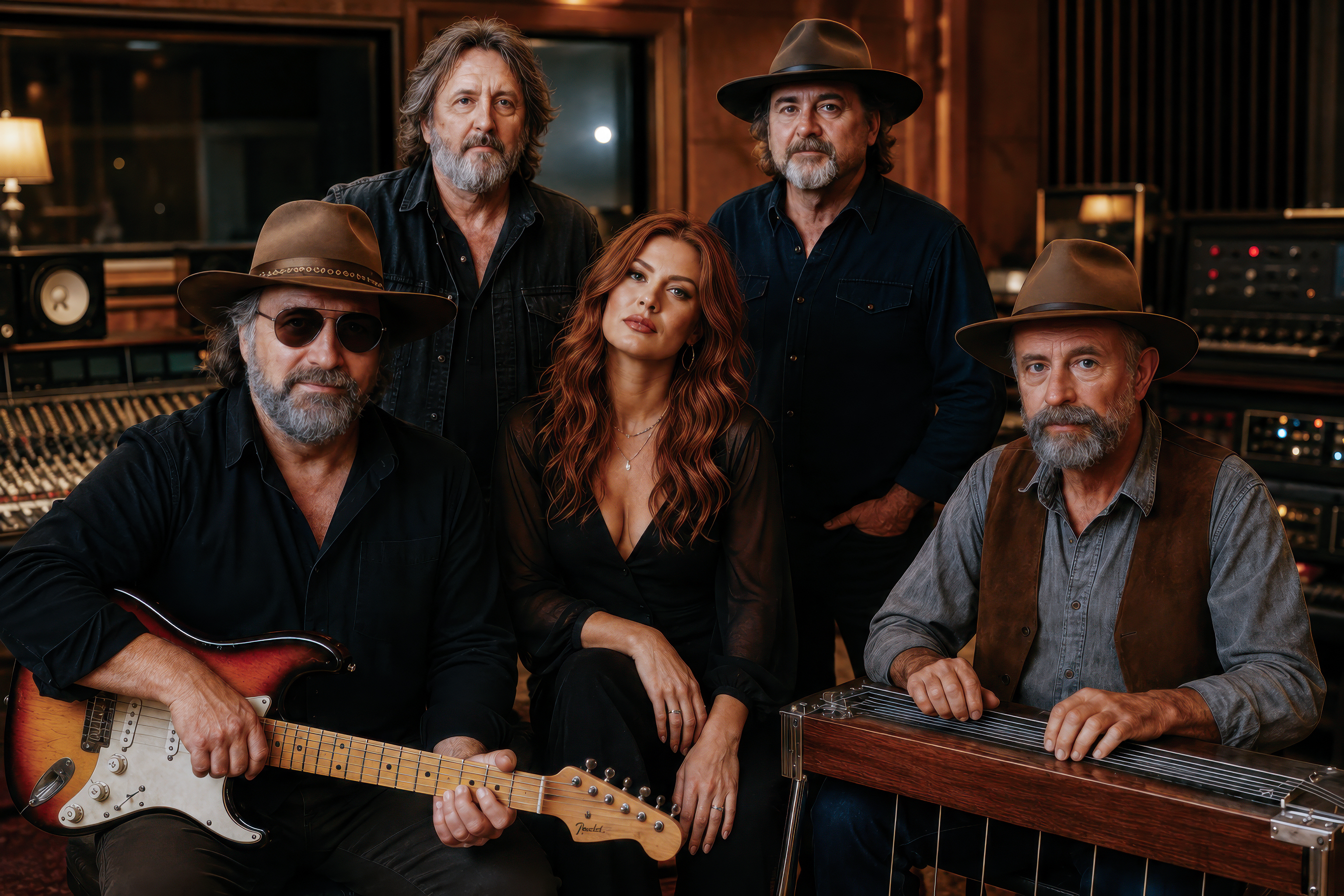
[Insert band photograph]
Apparently is available now on all streaming services.
Every August, usually right in the middle of the summer heat, I start thinking about winter.
It happens almost every year.
Maybe it’s because winter still feels far enough away in August that you can remember the best parts without having to scrape ice off anything. Or maybe I’m simply looking forward to that first unmistakable change in the air—the moment you realize another season is on its way.
I love what happens after that.
The evenings come earlier. Lights begin appearing around town. Windows glow against the cold. People who normally take the quickest way home sometimes find a reason to take the long way.
And familiar places become different.
There’s something about coming into a warm house when it’s cold outside. Something about the quiet after friends and family have gone home. Something about looking out a window late at night when there’s snow on the ground and wondering why the world seems so much quieter than it did a few hours earlier.
I’ve noticed that the holidays give us permission to feel things we might otherwise consider a little sentimental.
We remember people.
We miss people.
We gather.
We go home.
And maybe, somewhere underneath all of that, we allow ourselves to wonder again.
I like that part best.
The possibility that an ordinary evening might hold something extraordinary. That lights along a familiar street can still make us slow down. That despite everything we’ve learned and everything we think we know, there might still be a little mystery left in the world.
Those are the feelings that found their way into my new album, Love the Season.
Maybe that’s why I start looking forward to this every August. Winter is still months away, but for a little while I get to visit it early.
That question quietly became the foundation of Just Once More.
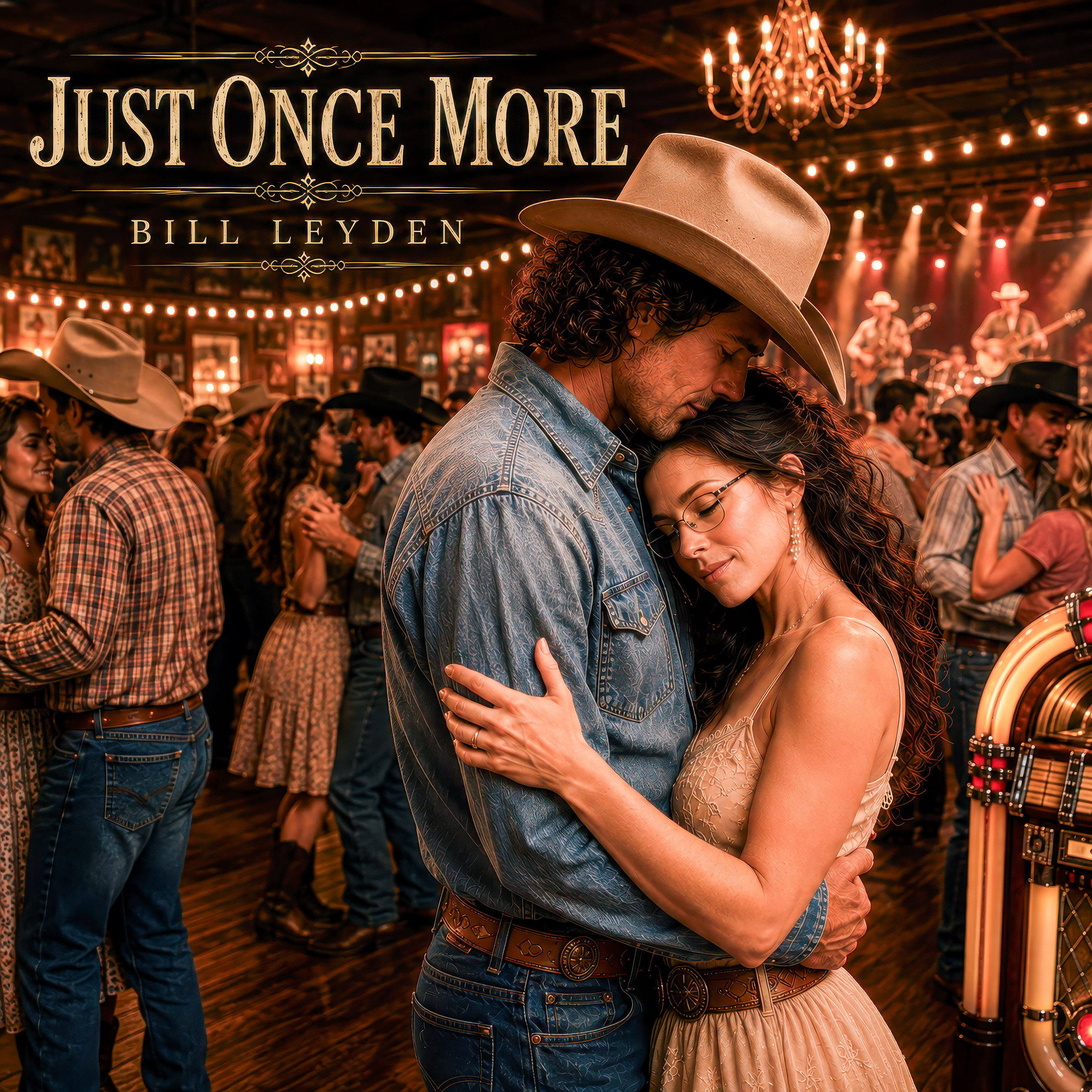
Inspired by the warm neon glow of 1970s honky-tonks, this collection of eight story songs follows ordinary people through slow dances, last calls, jukeboxes, whiskey, premium cigars, and those unexpected moments that can change a life forever.
This isn’t a nostalgia album. It’s an Americana record that borrows the timeless sound of classic country torch music—pedal steel, Telecaster, close harmonies, and dancehall rhythms—to tell stories that still feel true today.
As the songs came together, I realized they all belonged to the same long evening. Different people. Different stories. The same dance hall. One smile, one slow song, one wrong decision, one second chance… all unfolding beneath the same neon lights.
Along the way you’ll meet a man who lingers a little too long on The Wrong Side of Midnight, another who sees someone he can’t forget in Smoke Rings Around Her Name, and finally a familiar face Where the Jukebox Knows Me, reminding us that hope sometimes arrives when we least expect it.
The title Just Once More became more than the name of the album. It became its heartbeat.
Just one more dance.
Just one more song.
Just one more chance.
If you’ve ever loved classic country, Americana, or story-driven singer-songwriter music, I hope you’ll pour yourself something good, settle in, and listen from beginning to end. Like an evening in an old dance hall, each song naturally leads to the next until the final track quietly leaves the door open for another story.
I’d love to hear which song speaks to you the most.
Over the past several months, That’ll Do slowly became something I hadn’t planned. It started as a collection of songs about ordinary moments, but somewhere along the way those moments began talking to one another.
A grocery store aisle.
Three green lights in a row.
The same coffee cup every morning.
A nickname between two people who know each other well enough to laugh without explaining.
A walk back through a hometown that no longer looks the way it did—and somehow feels exactly the way it should.
Musically, this is probably my most guitar-forward record yet. It leans into melodic roots rock with Americana storytelling, weeping pedal steel, conversational guitars, and songs that trust the listener to discover their meaning instead of announcing it.
I found myself writing less about lessons and more about recognition. Not everything needs fixing. Not every misunderstanding needs correcting. Sometimes the best thing we can do is notice what’s already there.
The title That’ll Do isn’t about settling.
It’s about realizing that an ordinary day, shared with ordinary people who are doing their best, can be more than enough.
I hope these songs feel like someone saved you a booth by the window.
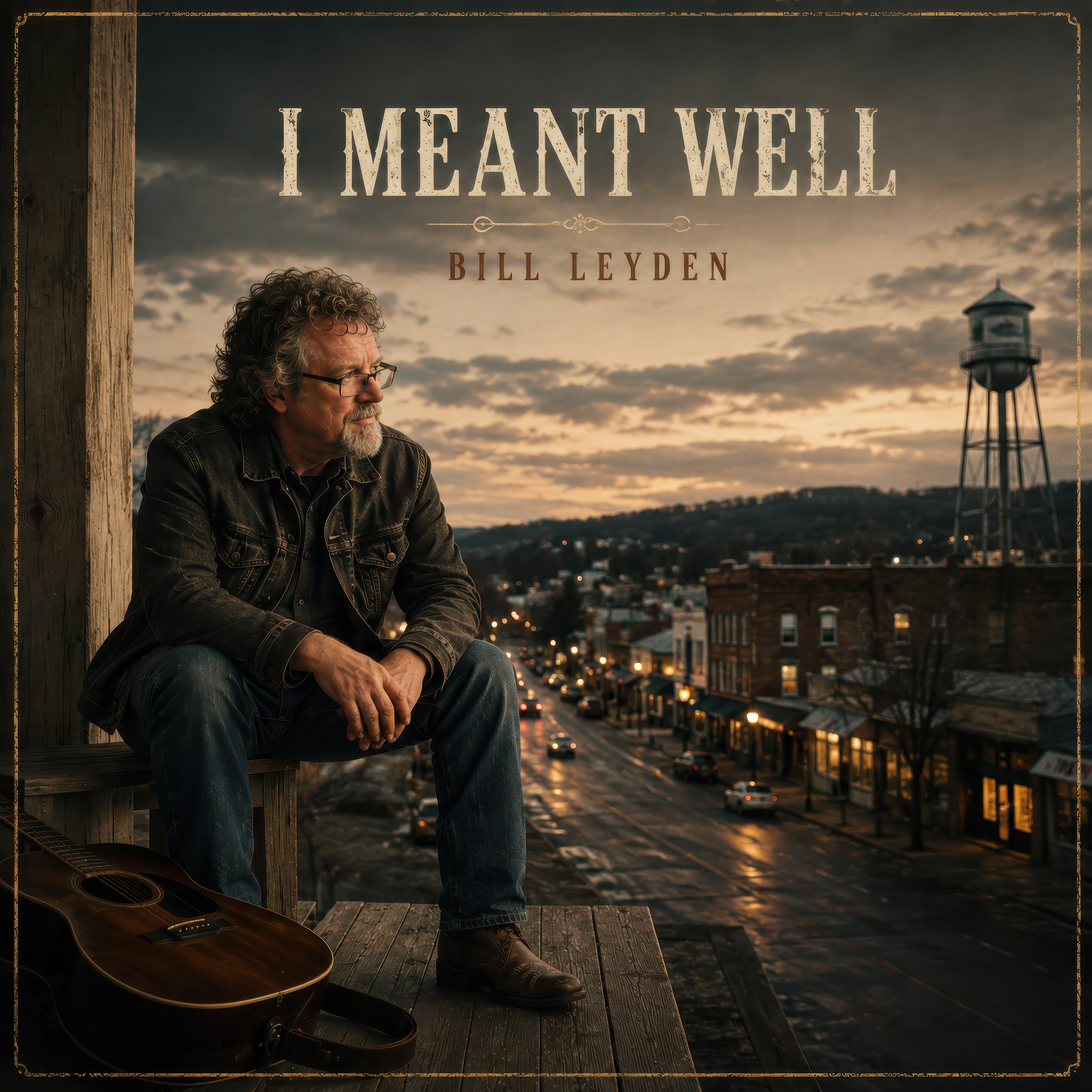
That’s the idea behind I Meant Well, the new Americana and alt-country album from Bill Leyden.
Built around nine vignette-driven songs, the album explores the moments that rarely make headlines but somehow stay with us for years: a glance held a little too long, a lesson learned too late, a local legend everyone knows, a kindness nobody notices, and the quiet realization that good intentions alone don’t always guarantee good outcomes.
Rather than telling one continuous story, I Meant Well unfolds as a series of interconnected moments. The songs take place in dance halls, roadside bars, small-town gathering places, and the private spaces people carry around inside themselves. Throughout the album, a single narrator observes the humor, irony, awkwardness, and humanity that define ordinary life.
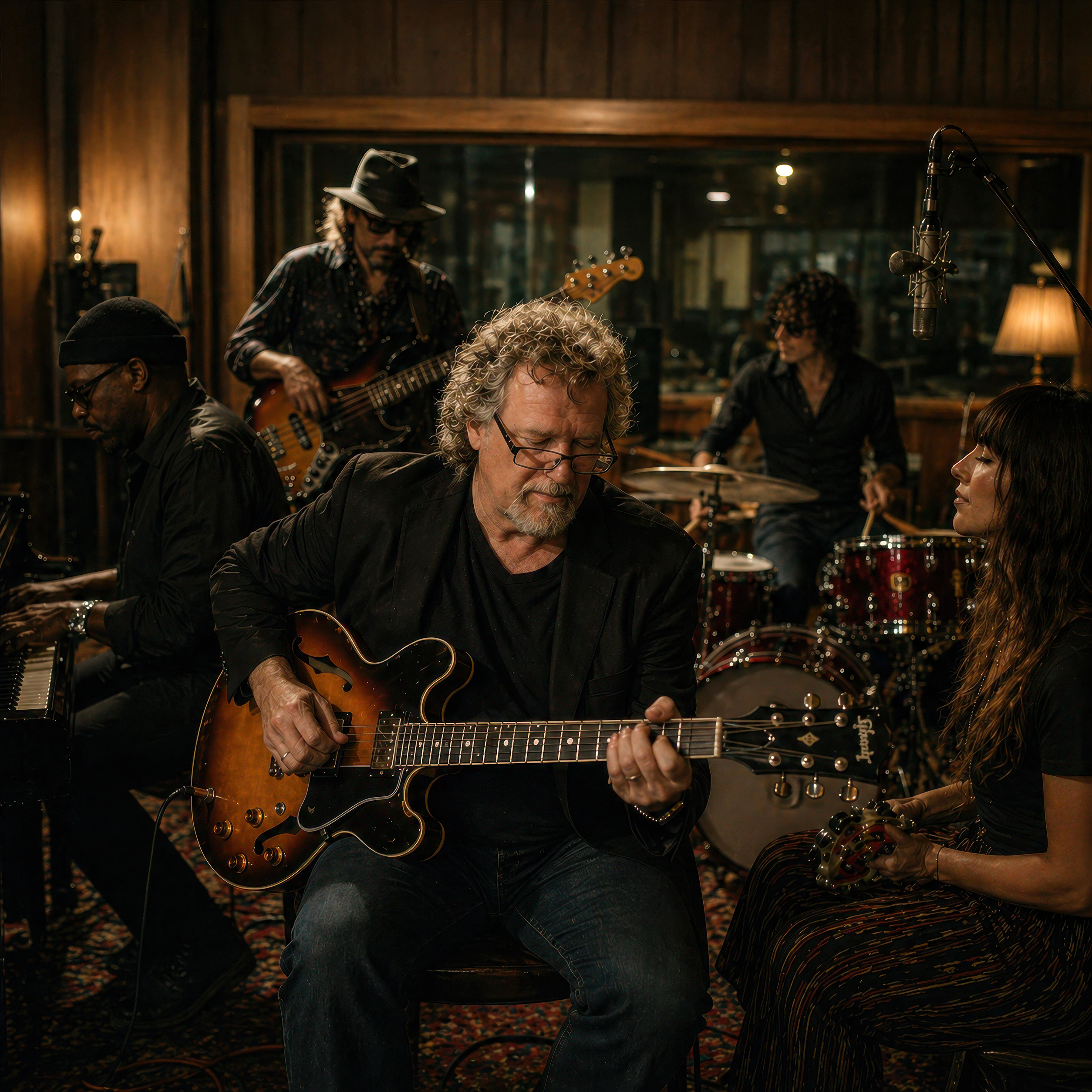
Musically, the record blends Americana, alternative country, roots music, and storytelling traditions into a guitar-forward sound built around conversational vocals, expressive Stratocaster leads, pedal steel textures, and close country harmonies. The result is an album that feels equally at home with classic country storytelling and modern Americana sensibilities.
At its heart, I Meant Well is not about perfection. It’s about accountability, humility, forgiveness, and the belief that even imperfect people continue reaching toward something better.
In a world that often rewards certainty, these songs are more interested in questions than answers.
Sometimes that’s enough.
The Longing for Good
The people in these songs are rarely heroes or villains. They hesitate, misread situations, hold back, speak too late, stay too long, leave too soon, and occasionally stumble into wisdom without realizing it. Like most of us, they are trying to make sense of themselves while living in the company of other imperfect people doing the same.
The album isn’t interested in certainty. It is interested in grace. In the possibility that good intentions matter, even when they are incomplete. In the idea that a meaningful life is built less from grand victories than from small acts of restraint, kindness, accountability, humor, and perseverance.
At its core, I Meant Well is a reflection on the longing for good—the quiet belief that despite our mistakes, misunderstandings, and limitations, there is still something worth reaching for, something worth becoming, and something worth forgiving.