Feeds:
Posts
Comments

Posts Tagged ‘writing’

A New Chapter in the Bluebird Series

Return to the Bluebird Motel is the newest installment in the Bluebird series — a collection of albums that follow one voice across confession, clarity, distance, and renewal.

It joins:

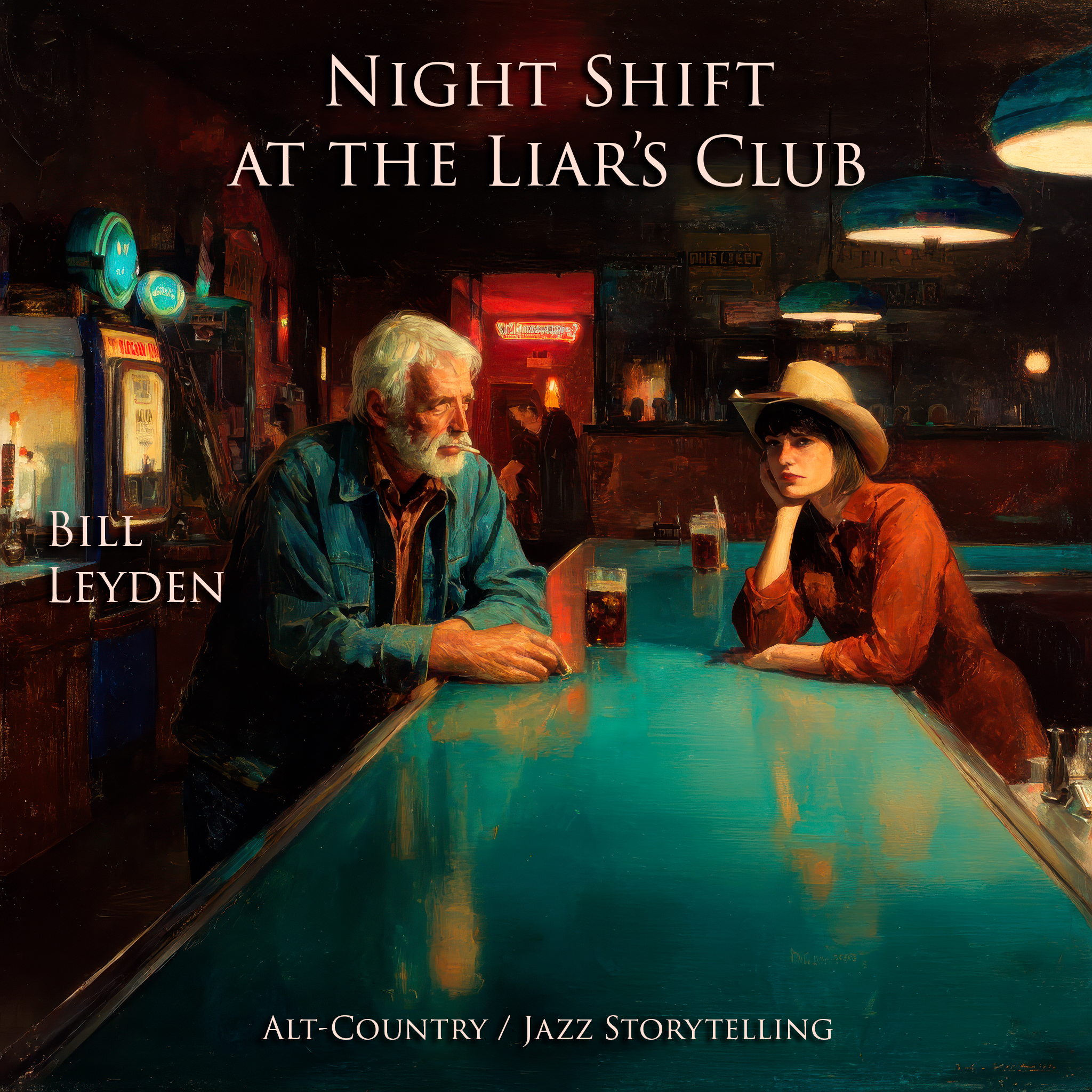
  • Night Shift at the Liar’s Club
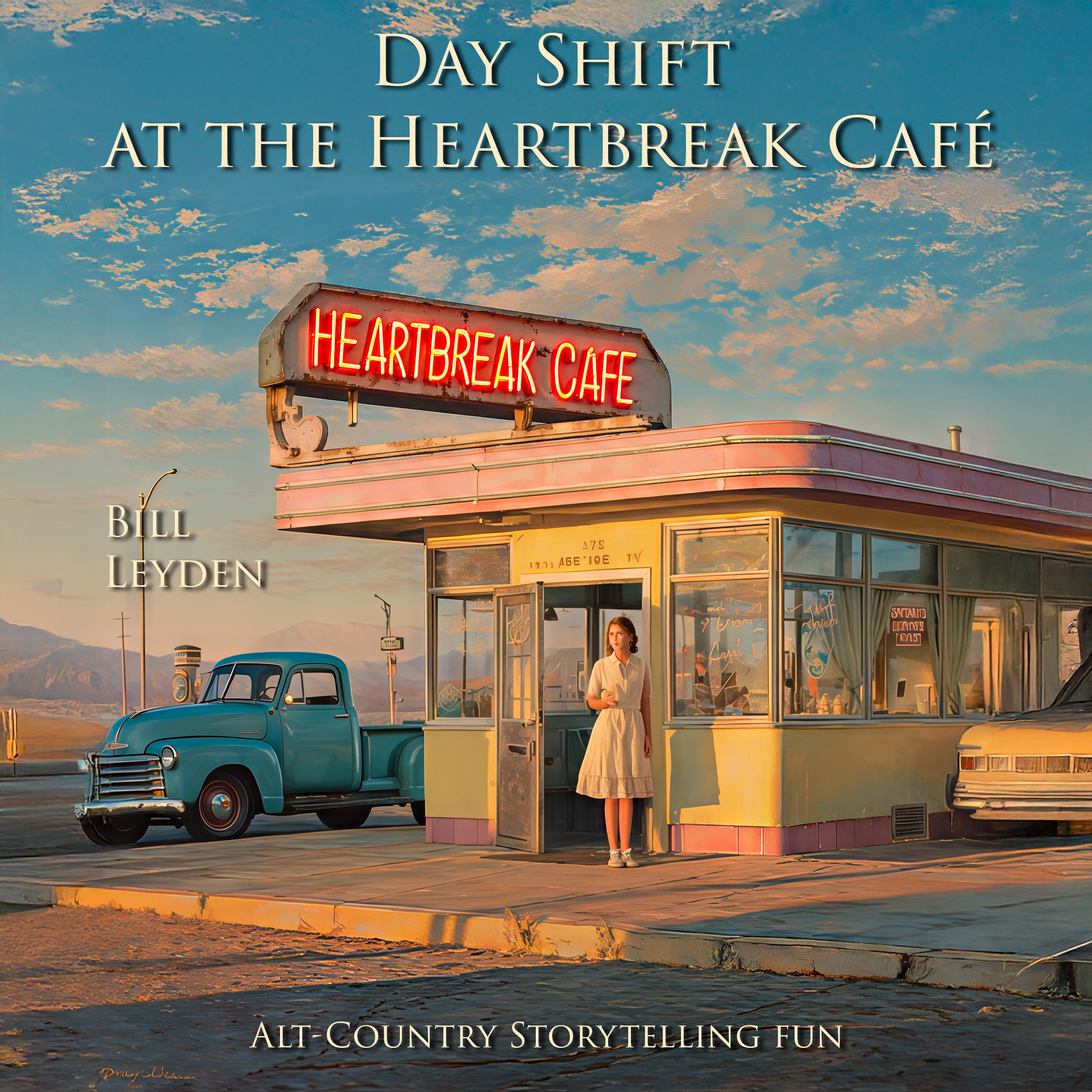
  • Day Shift at the Heartbreak Café
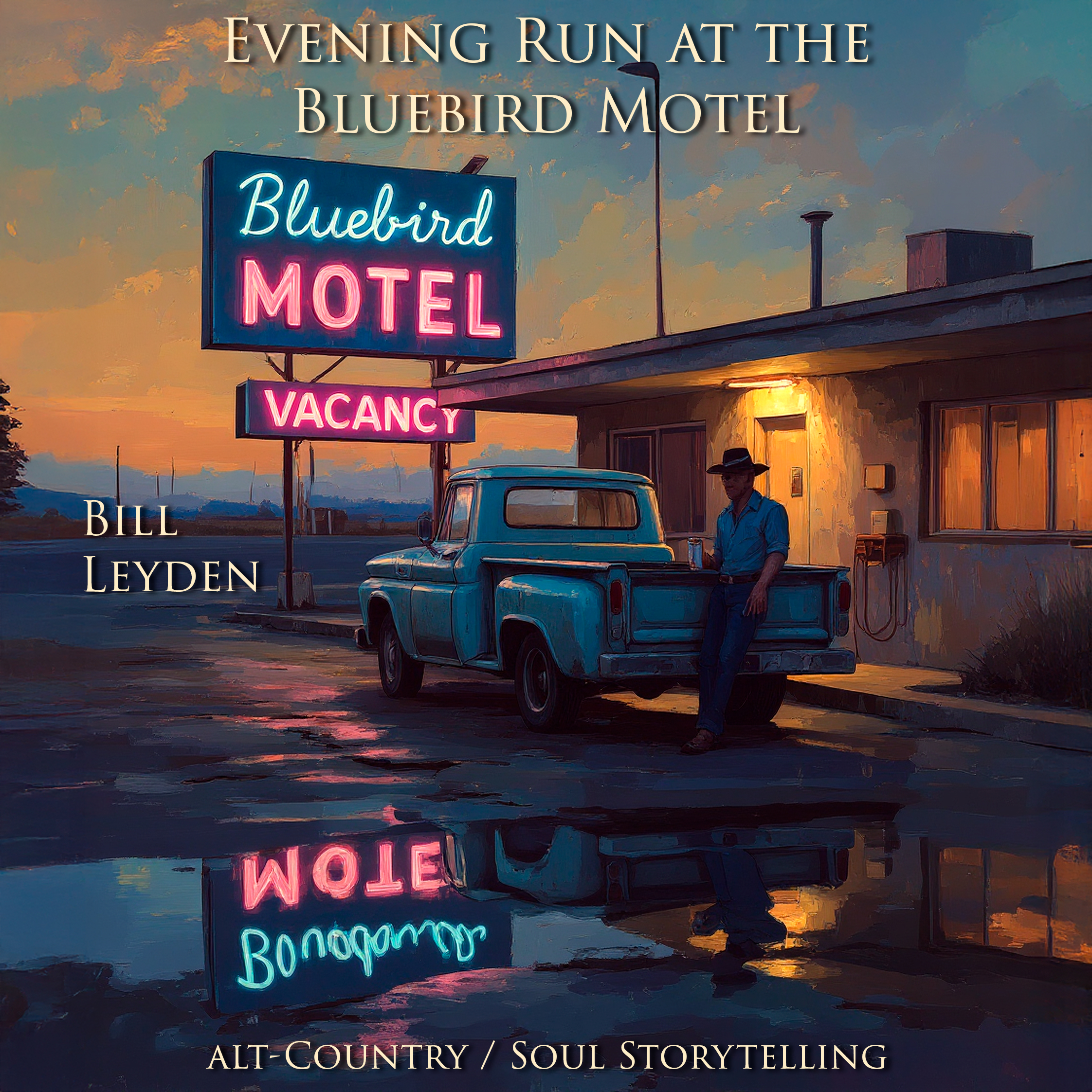
  • Evening Run at the Bluebird Motel

Together, these records trace a lived-in American journey — told through small towns, long highways, diners, motel rooms, and the quiet realizations that arrive between destinations.


The Road East

In this chapter, the car turns east.

The Pacific has been seen. The illusion has faded. The singer drives with intention, retracing highways across the high desert, through mountain air, along the long plains. A yellow Labrador rides alongside him, steady and watchful.

Memories surface as landscapes change. Familiar places look different in return light. Old emotions settle into perspective. The journey widens the lens.

Each track captures a stop along the way:

  • A dashboard still holding traces of salt.
  • Cold air in Flagstaff under the tall pines.
  • Roadside motels that face the highway and remember passing headlights.
  • A small town that once thrived along Route 66.
  • The Ozarks opening up without question.
  • A lake in morning light.

The Bluebird Motel appears again — not as a destination, but as a remembered place that holds its own quiet gravity.


The Sound of Motion

The album moves at the pace of real travel — steady, grounded, unhurried.

Virtuoso finger-picked nylon-string guitar anchors the songs.
Stratocaster lines speak with clarity and restraint.
Pedal steel carries sustained emotion.
The rhythm section locks in with warmth and confidence.
Close harmonies rise in the choruses like shared understanding.

It’s music built for open roads and open windows.
Driving music with depth.
Storytelling that unfolds in daylight.


The Bluebird Series

If you’ve followed the journey from Night Shift at the Liar’s Club through Evening Run at the Bluebird Motel, this album expands the world and carries it forward.

If this is your first visit, the door is open.

Listen here:
👉 https://bill-leyden.bandcamp.com/album/return-to-the-bluebird-motel

— Bill Leyden

The Liar’s Club

Read Full Post »

Just Beyond is a record about how connection begins — and how it deepens.

It starts small. A glass set down carefully. A breath that lingers. Two people standing close enough to notice the quiet between them.

Across eight songs, that quiet opens into something steady and alive.

There’s a hardware store at the end of the day, dust suspended in late sunlight.
A bargain bin with the same squeezy toy in two different hands.
Dogs that recognize each other before their owners do.
A courthouse lawn on a Saturday afternoon.
An evening porch with the windows open and warm air settling in.

The dogs appear again and again — leash to leash, nose to nose — moving toward each other without second-guessing. They become a quiet reminder that instinct often arrives before certainty. While the people measure their steps, the dogs simply know. Their ease becomes the thread that pulls the story forward.

Each moment builds gently on the last. A sentence is spoken. A habit softens. Space turns into presence. What begins in pauses learns to grow. What grows begins to bloom.

By the time the porch light comes on, the story feels complete — not because anything was forced, but because something real was allowed to take root.

This album means a lot to me. It’s about discovering that closeness can unfold naturally, that warmth can deepen over time, and that sometimes the most powerful step forward is simply saying the first word.

Just Beyond begins in restraint and ends in connection — guided, in its own quiet way, by two dogs who were never afraid to walk toward each other.

You can listen to the full album here:

👉 https://bill-leyden.bandcamp.com/album/just-beyond

Thank you for listening — and for being part of the journey.

— Bill

Read Full Post »

A deep dive into the heartbreak of Pickett’s Charge through song


“We’re almost there, I can see the trees…”

Those opening lines of “The Copse of Trees” transport listeners to July 3, 1863—the third and final day of the Battle of Gettysburg. It’s a moment frozen in American memory: 15,000 Confederate soldiers stepping off across nearly a mile of open Pennsylvania farmland, marching toward a small grove of trees that represented their last, desperate hope for victory.

The Historical Moment

Pickett’s Charge has been called the “high-water mark of the Confederacy”—the moment when the Confederate cause came closest to success before breaking apart forever. General Robert E. Lee had gambled everything on one final, massive assault against the Union center on Cemetery Ridge. The target was a copse of trees that seemed almost within reach.

But as our narrator discovers in the song, proximity means nothing when dreams are collapsing. General Lewis Armistead, leading his men with his hat on the tip of his sword, would make it over the stone wall before falling mortally wounded. The charge that began with such hope would end in devastating failure.

The Power of First Person

What makes “The Copse of Trees” particularly powerful is its intimate, first-person perspective. Rather than observing the charge from a historical distance, we experience it through the eyes of a single Confederate soldier watching his world collapse in real time:

“Then Armistead stumbles, hat in the dust,
The general’s down, the line goes slack.
Boys are falling, the charge is broken,
How in God’s name do I get back?”

This isn’t about military strategy or grand causes. It’s about a young man realizing that the trees he could almost touch might as well be a thousand miles away, and that his biggest concern is no longer victory—it’s simply surviving the retreat across that terrible open ground.

Universal Truths in Historical Moments

The genius of “The Copse of Trees” lies in how it transforms a specific Civil War moment into something universally recognizable. We’ve all had those moments when success seemed within reach, when we could “taste” our goal, only to watch everything fall apart. We’ve all faced the daunting journey back from failure, wondering how we’ll make it through.

The song’s final verse carries the deepest wound:

“The Copse of Trees still haunts my sleep,
I see it when I close my eyes.
The Copse of Trees, so close to glory—
So far from where hope dies.”

This isn’t just about a Civil War battle. It’s about the dreams that remain tantalizingly close in our memories, the ones we almost achieved before circumstances tore them away. It’s about living with the weight of “what might have been.”

Musical Landscape

The track’s musical arrangement perfectly mirrors its emotional journey. Opening with contemplative fingerpicked guitar and that haunting electric guitar accents, it builds toward the charge’s climactic moment before settling into the somber reality of retreat and lifelong regret. The inclusion of fiddle with Celtic influences adds that elegiac quality that makes this track such a powerful modern tribute to to Civil War memory.

Part of a Larger Story

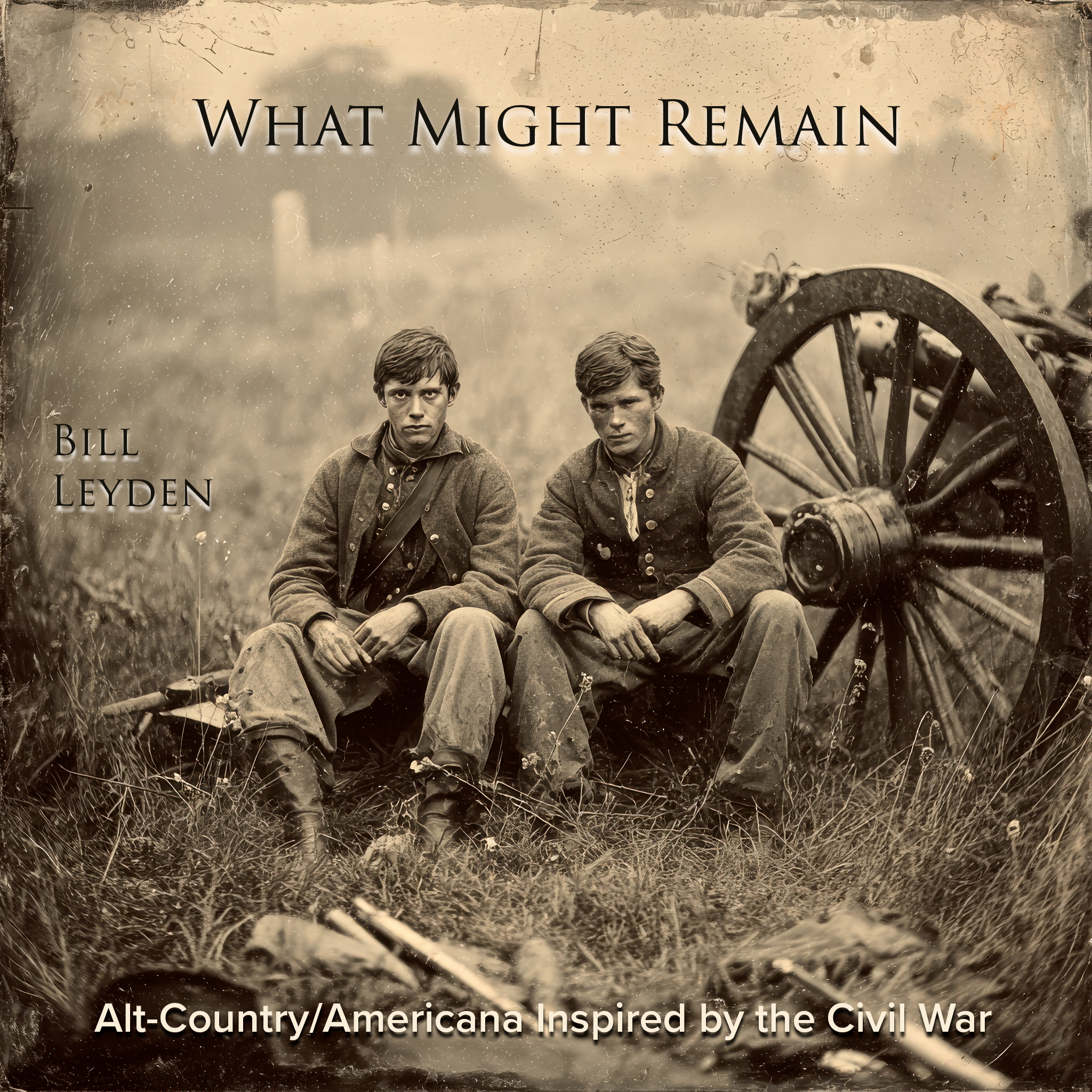
“The Copse of Trees” is one of nine tracks on “What Might Remain,” an album that explores the human cost of the Civil War from multiple perspectives. While this track gives voice to Confederate desperation and failure, other songs in the collection explore Union victory, family grief, and the long shadows cast by trauma. Together, they ask what endures when the battles end and the speeches are over.

Why These Stories Still Matter

In our current moment of political division and social upheaval, songs like “The Copse of Trees” remind us that history isn’t about heroes and villains—it’s about human beings caught in circumstances beyond their control, making impossible choices, and living with the consequences. The Confederate soldier in this song isn’t a symbol or a political statement. He’s a young man far from home, watching his world collapse, trying to survive.

That’s a story that transcends any particular war or cause. It’s a story about resilience, about carrying on when dreams die, about the weight of memory. It’s a story that, 160 years later, still has something to teach us about what it means to be human.


Listen to “The Copse of Trees” and the full album “What Might Remain”:

What moments in your life felt “so close to glory” before everything changed? Share your thoughts in the comments below.

Read Full Post »