"It's all about places, faces and feelings… Now, 'TTFP': Take the … 'Fffff—-fantastic' Picture!" (Friend and Photographic Mentor, Monte Zucker 1929-2007)
I’ve always been interested in the distance between what we see and what we think we know.
We meet somebody, notice a few things, hear half a story, and pretty soon we’ve got them figured out. Sometimes we’re right. Sometimes another detail comes along and the whole explanation falls apart.
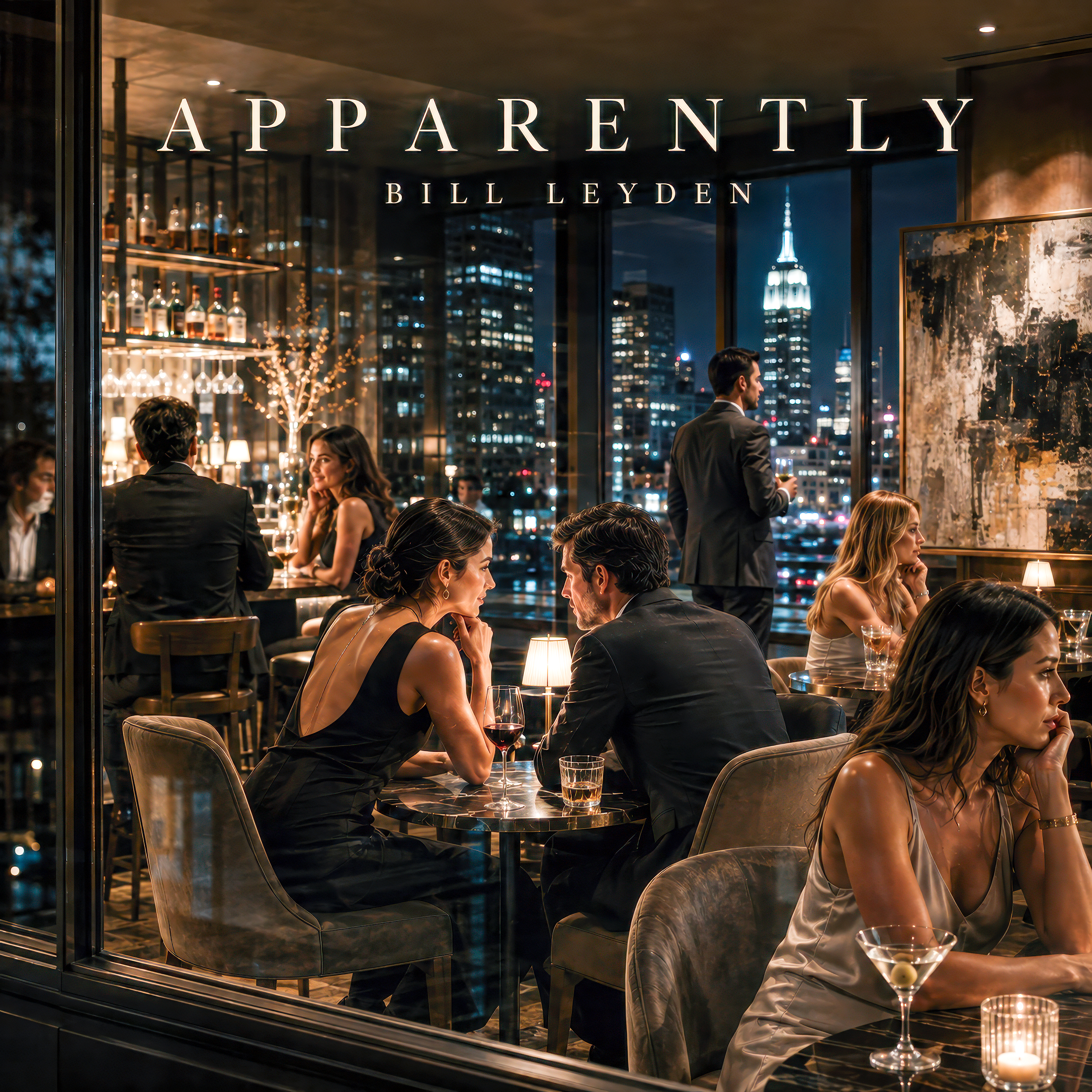
That became the territory for Apparently.
The songs move through attraction, friendship, vanity, intelligence, kindness, anonymity, love and loss without asking anyone to be the villain. I was more interested in the little contradictions that make people difficult to explain—and considerably more interesting.
Musically, the record ranges pretty widely: cinematic art rock with an indie feel, guitar-forward arrangements, sophisticated rock, touches of soul and country, unusual harmonies, and plenty of room for the musicians to breathe. There are moments that make me laugh and others that became much more emotional than I expected.
It also turned out to be very good road music.
The kind of record I like when the traffic thins out, there’s some distance ahead, and I can actually listen rather than merely have music playing.
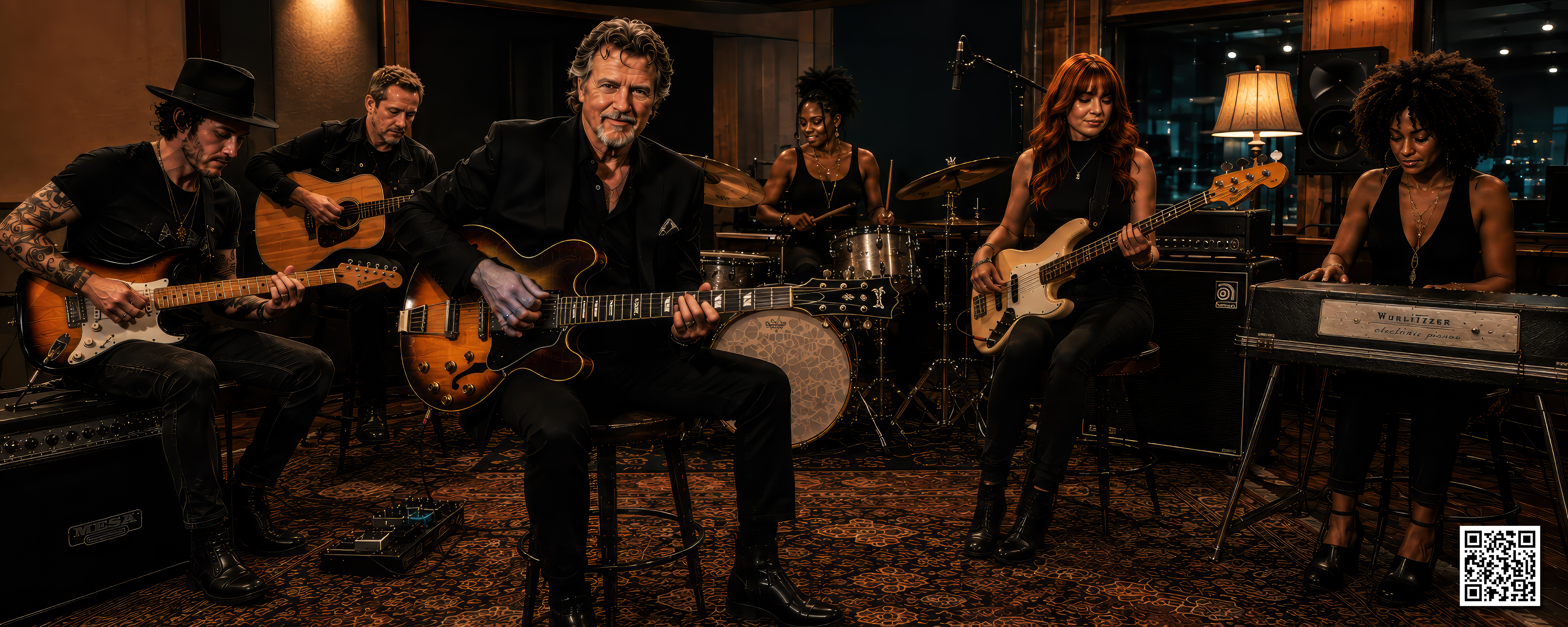
[Insert band photograph]
Apparently is available now on all streaming services.
Every once in a while, it’s good to step over a few lines.
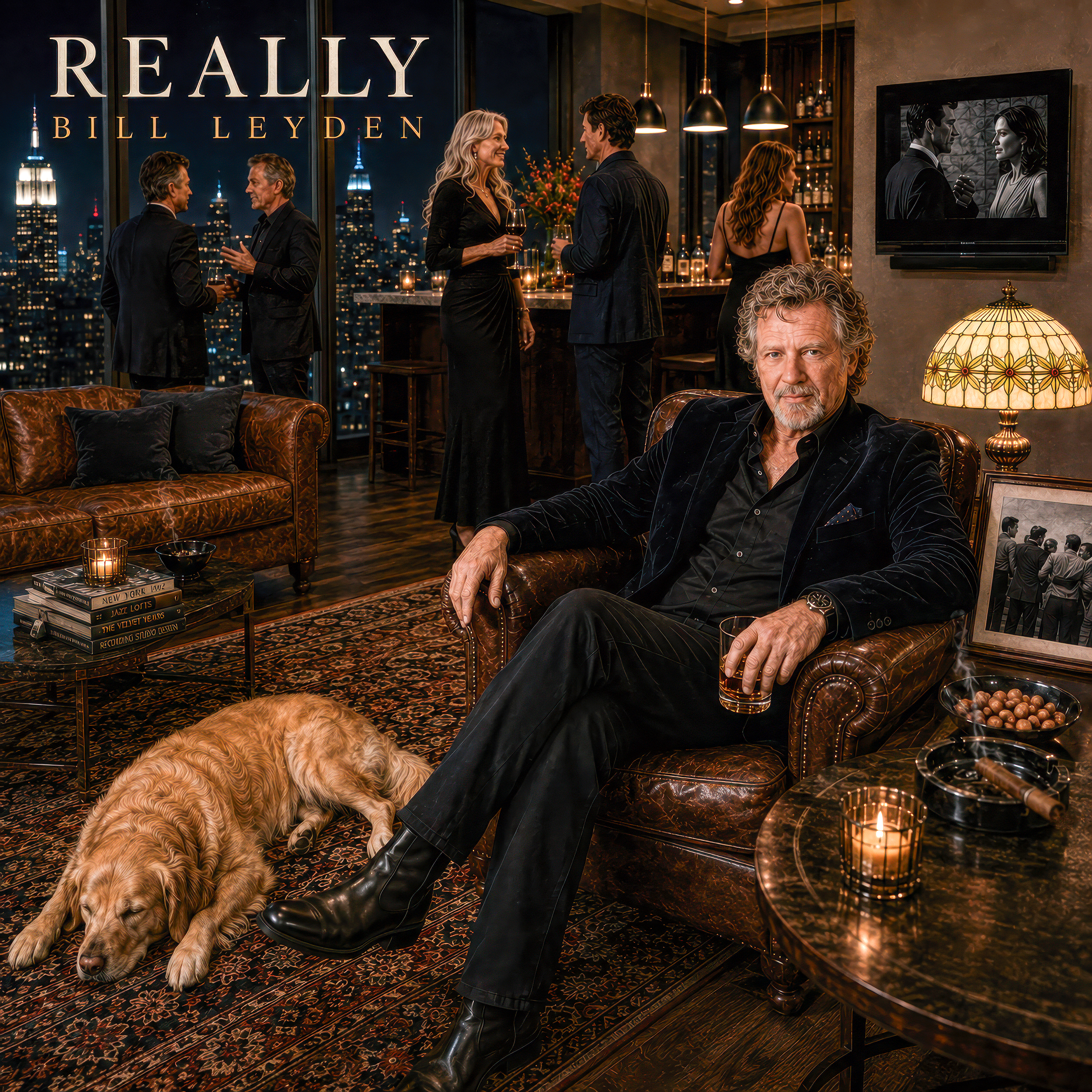
That’s what I decided to do with Really.
I wanted to push beyond some of my usual songwriting habits—to let conversations become lyrics, leave more space between things, allow the music to take some unexpected turns, and trust that a song doesn’t always have to explain itself.
It turned out to be tremendous fun.
Really is probably the most avant-garde album I’ve made, but I don’t think that makes it particularly difficult music. There are still guitars, melodies, choruses and harmonies. There are also unusual modes, chords that sometimes hang in the air, complex vocal harmonies, sustained guitars and moments when silence gets to play an instrument too.
And there are people.
Lots of them.
People who are certain about things. People who remember things differently. Someone who can commandeer almost any dinner-table conversation with a story of her own. A couple eating ice cream while watching something questionable on television, with the dog quietly choosing sides.
There’s a Tiffany lamp bought on a trip to New York.
There’s an old photograph with a man in it nobody recognizes, even though his arm is around somebody and he appears to have been having a perfectly good time.
They decide his name might be David.
Why?
Looks like David’s arm.
That’s about as much evidence as anyone has.
I think that’s where I found the personality of this album.
The songs aren’t really trying to deliver answers. They’re interested in those peculiar little moments when people reveal themselves without realizing they’re doing it—the things we say, the things we remember, the things we get completely wrong, and the shorthand that develops between people who have known each other a long time.
By the time I reached the title track, that shorthand had become the song itself.
It begins with two people trying to identify a glass:
Which glass?
The one on the left.
This one?
No, your other left.
The vessel with the pestle?
That’s the one.
Get it?
Got it.
Good.
Eventually all that playful certainty and uncertainty comes down to one much simpler exchange:
You happy?
Yeah.
You sure?
Yeah.
Really?
Really.
That felt like exactly the right place to end the album.
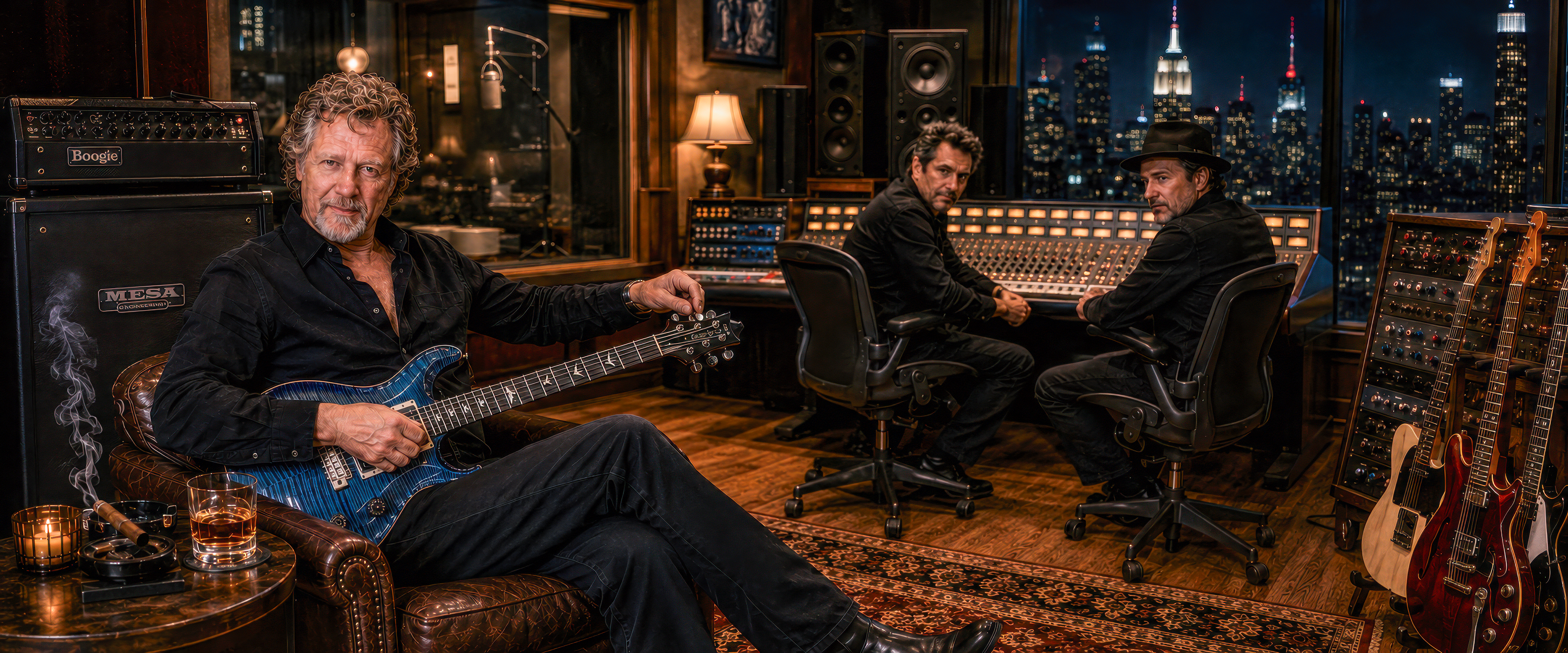
Making Really took me outside my comfort zone, but in a way I thoroughly enjoyed. It reminded me that experimentation doesn’t require abandoning the things you love about making music. Sometimes it just means giving yourself permission to approach them from a different direction.
Eight songs. A few peculiar people. Some questionable memories. One unidentified arm.