"It's all about places, faces and feelings… Now, 'TTFP': Take the … 'Fffff—-fantastic' Picture!" (Friend and Photographic Mentor, Monte Zucker 1929-2007)
What if the best part of your favorite memory happened while you were looking the other way?
Every couple has a story they could tell in their sleep. Friends ask how it happened, one of you starts in, and the other smiles at the usual places. Then one evening, after all these years, the quiet one says, “Oh, I saw you long before that.” Suddenly there are ten minutes of your own life you’d give anything to hear about.
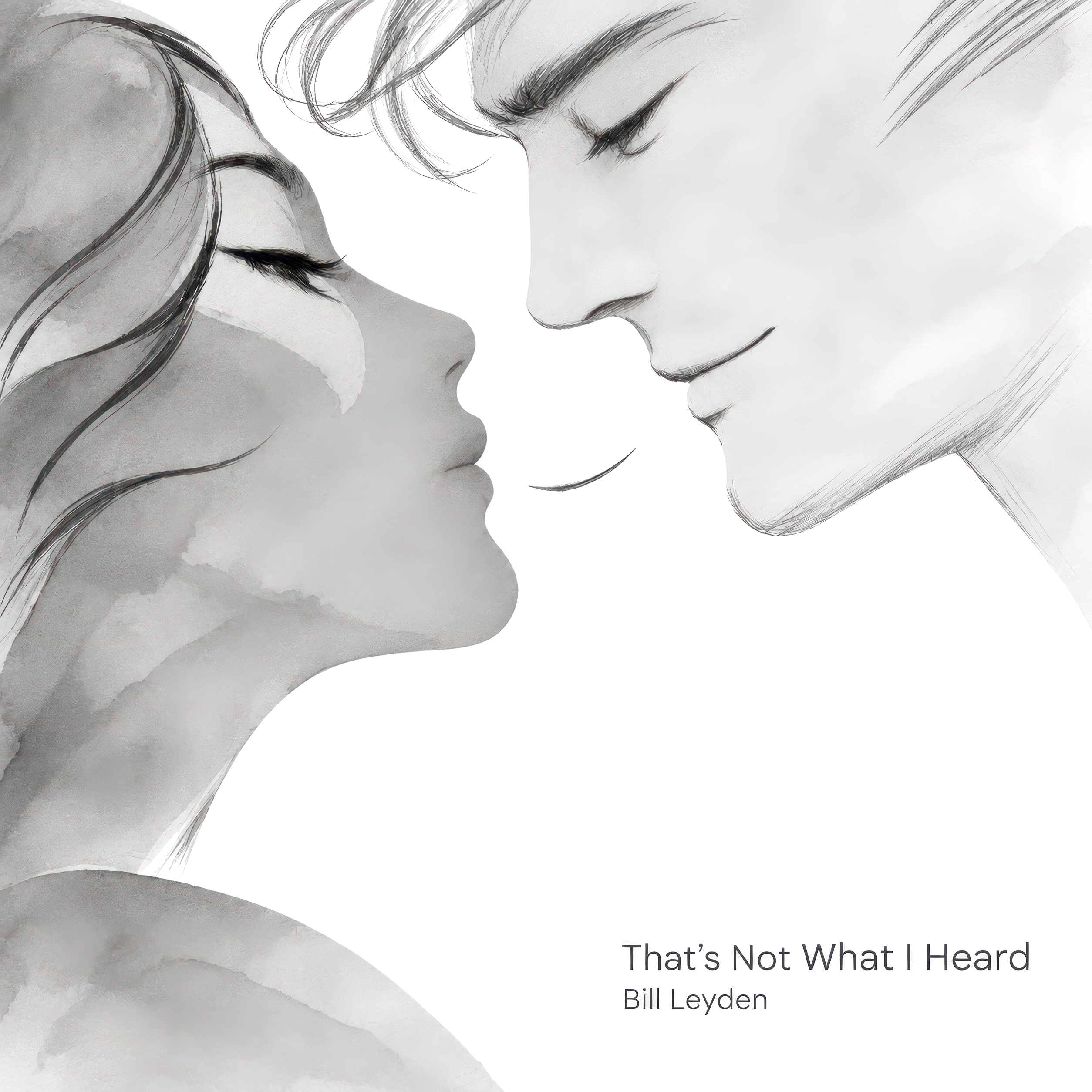
Bill Leyden’s That’s Not What I Heard lives in those ten minutes. These are songs for anyone who’s ever been wide awake at two in the morning over a word the other person slept through. There’s an ache in knowing someone so well you can hear their answer before you ask. There’s some pleasure, too, when they surprise you.
Fingerpicked guitars and a conversational voice draw you close. Then the chorus opens into harmonies, and for a few bars you can hear how well two different versions of the same feeling fit together.
Put it on for the drive home. If you’ve got company, ask who noticed whom first.
Think of someone who was glad to see you. Can you still hear the way they said your name? There might be a little lift on the last syllable that you could still pick out in a room full of people. Back then, it was just hello.
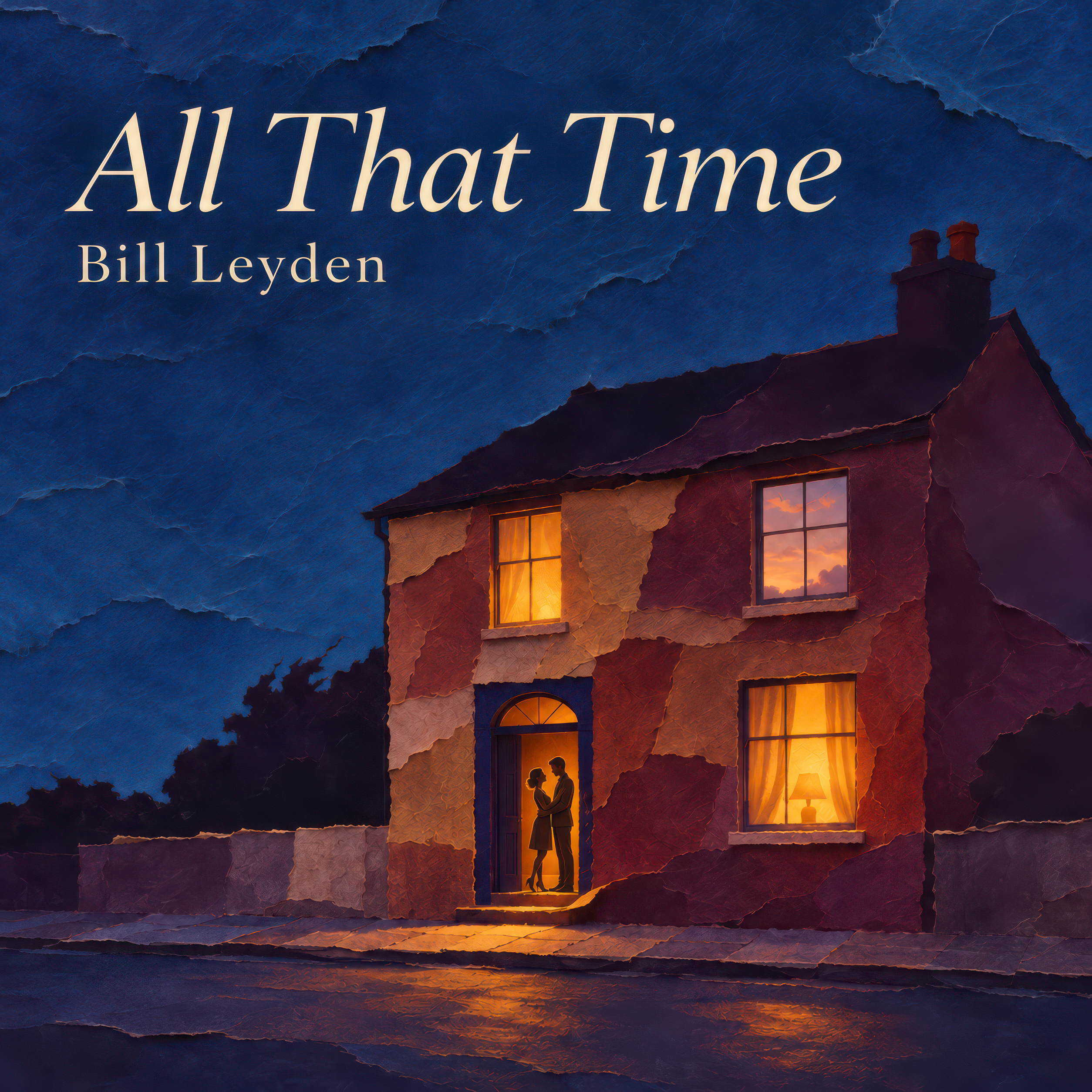
That feeling runs through All That Time, my new eight-song album. I’m interested in how long it can take to recognize affection, especially when it comes in a form that’s easy to take for granted. Somebody counts you in for dinner. You’re relieved when the plans fall through. An evening to yourself sounds good, and so does knowing there was a place for you.
The music moves between roots-informed pop-rock and atmospheric art-pop. I like a voice close enough to hear a thought change halfway through a line. On the title track, the singer spends much of the song wondering what he was waiting for. It takes him until the last chorus to give himself an honest answer.
“I thought the best was still to come / Mmmm, some of it was / Some of it was in her voice / All that time.”
Somebody remembers the part of your story you were hoping to leave out. Somebody keeps asking questions just to hear your voice. Somebody has their coat on but hasn’t quite managed to leave.
While We’re Here, an eight-song album by Bill Leyden, finds humor, longing, and pleasure in those moments. Warm, guitar-forward roots folk/rock meets a supple country-funk groove, with conversational vocals and close harmonies carrying stories about friendship, attraction, family, and making room for one another.
The album begins with the social comedy of “You Know Everybody” and the affectionate absurdity of “Never Enough Flannel.” There’s room for a little vanity here—and apparently room for another closet.
Then the feelings become harder to disguise. “I Miss Being Missed” admits the longing beneath a well-practiced claim that everything is fine. “I Like Your Nerve” enjoys the unsettling pleasure of being wanted by someone who makes it obvious.
In “You Haven’t Changed a Bit,” an old friend remembers a version of you that you may have lost sight of. “Just Ask”finds tenderness in wanting someone’s company even when they’re tired and have nothing left to offer but themselves.
The penultimate song, “You Don’t Have to Go Yet,” sits with a parent and grown child as a visit stretches beyond its intended goodbye. Pride in a child’s independence lives alongside the ache of hearing about so much of their life after it happens.
By the closing title track, curiosity is getting the better of caution. There’s something unfamiliar to taste, a bottle that’s been saved long enough, and something he’s wanted to try for years. He’d like some company. They can be beginners together.
While We’re Here leaves a chair open at the table.
Over the past several months, That’ll Do slowly became something I hadn’t planned. It started as a collection of songs about ordinary moments, but somewhere along the way those moments began talking to one another.
A grocery store aisle.
Three green lights in a row.
The same coffee cup every morning.
A nickname between two people who know each other well enough to laugh without explaining.
A walk back through a hometown that no longer looks the way it did—and somehow feels exactly the way it should.
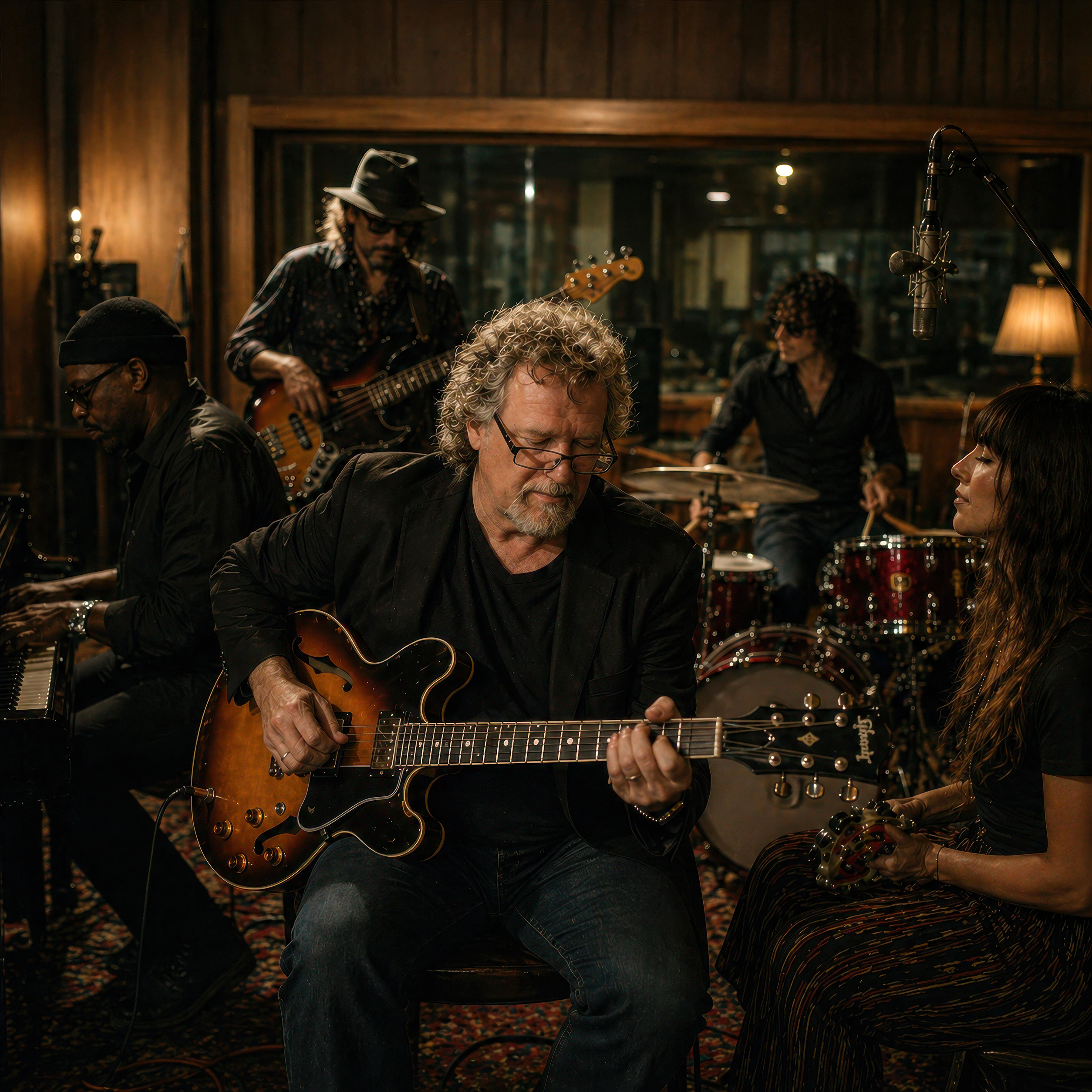
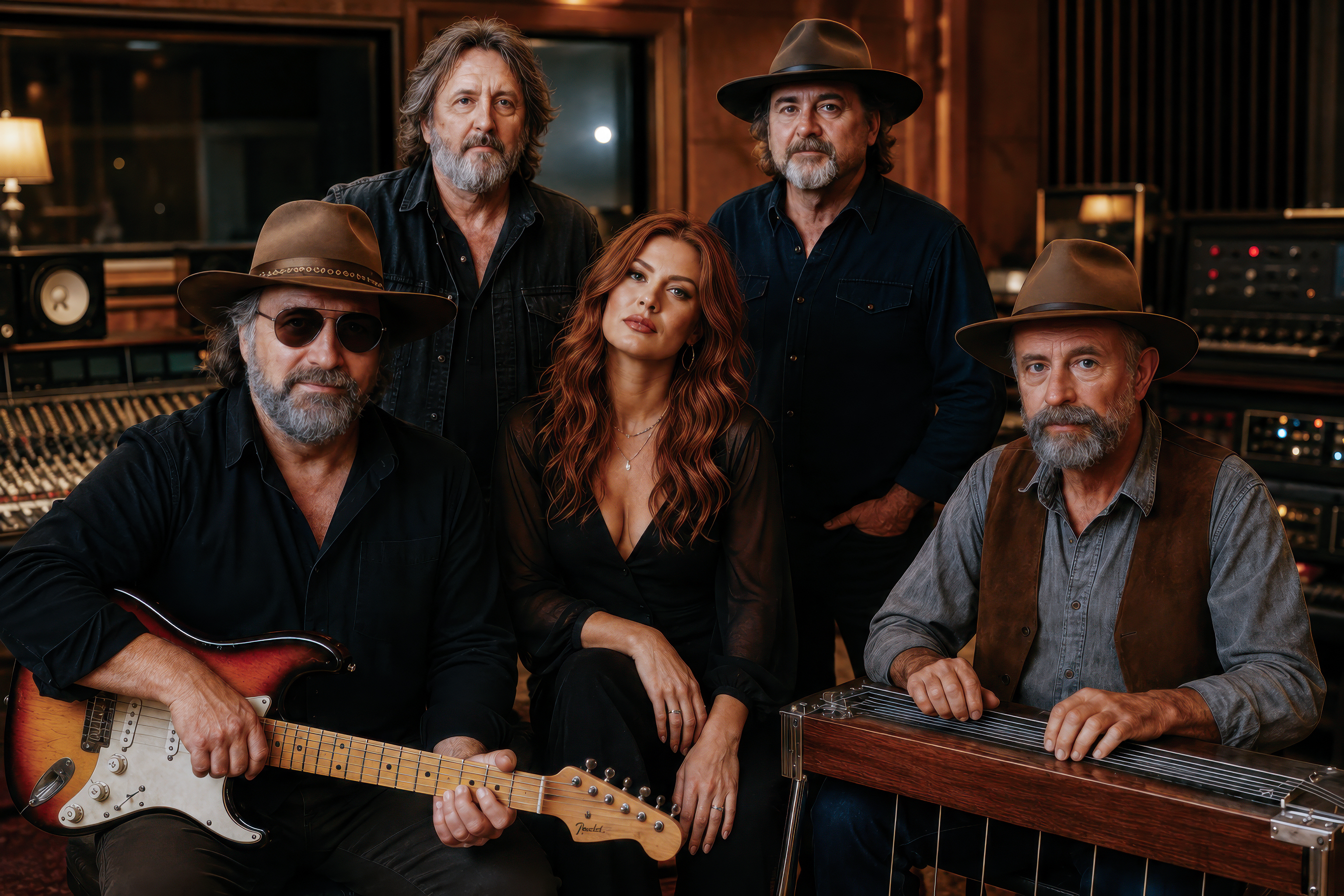
Musically, this is probably my most guitar-forward record yet. It leans into melodic roots rock with Americana storytelling, weeping pedal steel, conversational guitars, and songs that trust the listener to discover their meaning instead of announcing it.
I found myself writing less about lessons and more about recognition. Not everything needs fixing. Not every misunderstanding needs correcting. Sometimes the best thing we can do is notice what’s already there.
The title That’ll Do isn’t about settling.
It’s about realizing that an ordinary day, shared with ordinary people who are doing their best, can be more than enough.
I hope these songs feel like someone saved you a booth by the window.
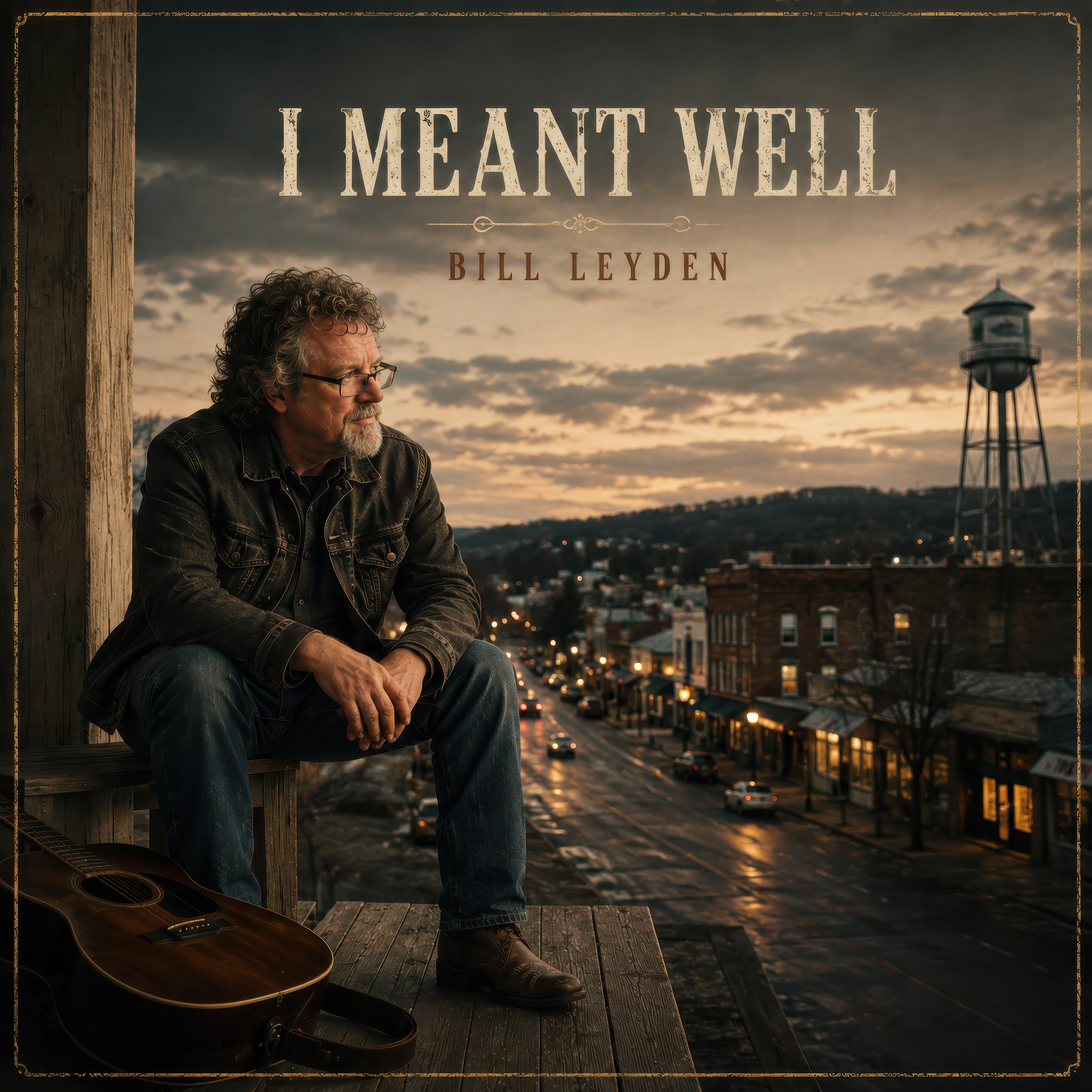
That’s the idea behind I Meant Well, the new Americana and alt-country album from Bill Leyden.
Built around nine vignette-driven songs, the album explores the moments that rarely make headlines but somehow stay with us for years: a glance held a little too long, a lesson learned too late, a local legend everyone knows, a kindness nobody notices, and the quiet realization that good intentions alone don’t always guarantee good outcomes.
Rather than telling one continuous story, I Meant Well unfolds as a series of interconnected moments. The songs take place in dance halls, roadside bars, small-town gathering places, and the private spaces people carry around inside themselves. Throughout the album, a single narrator observes the humor, irony, awkwardness, and humanity that define ordinary life.
Musically, the record blends Americana, alternative country, roots music, and storytelling traditions into a guitar-forward sound built around conversational vocals, expressive Stratocaster leads, pedal steel textures, and close country harmonies. The result is an album that feels equally at home with classic country storytelling and modern Americana sensibilities.
At its heart, I Meant Well is not about perfection. It’s about accountability, humility, forgiveness, and the belief that even imperfect people continue reaching toward something better.
In a world that often rewards certainty, these songs are more interested in questions than answers.
Sometimes that’s enough.
The Longing for Good
The people in these songs are rarely heroes or villains. They hesitate, misread situations, hold back, speak too late, stay too long, leave too soon, and occasionally stumble into wisdom without realizing it. Like most of us, they are trying to make sense of themselves while living in the company of other imperfect people doing the same.
The album isn’t interested in certainty. It is interested in grace. In the possibility that good intentions matter, even when they are incomplete. In the idea that a meaningful life is built less from grand victories than from small acts of restraint, kindness, accountability, humor, and perseverance.
At its core, I Meant Well is a reflection on the longing for good—the quiet belief that despite our mistakes, misunderstandings, and limitations, there is still something worth reaching for, something worth becoming, and something worth forgiving.